To mitigate these risks, the project team implemented a three-pillar strategy focused on data, capacity building, and the rapid deployment of flood protection infrastructure.
A Three-Pillar Approach to Flood Resilience
1. Data-Driven Decision Support via Hydrodynamic Modelling
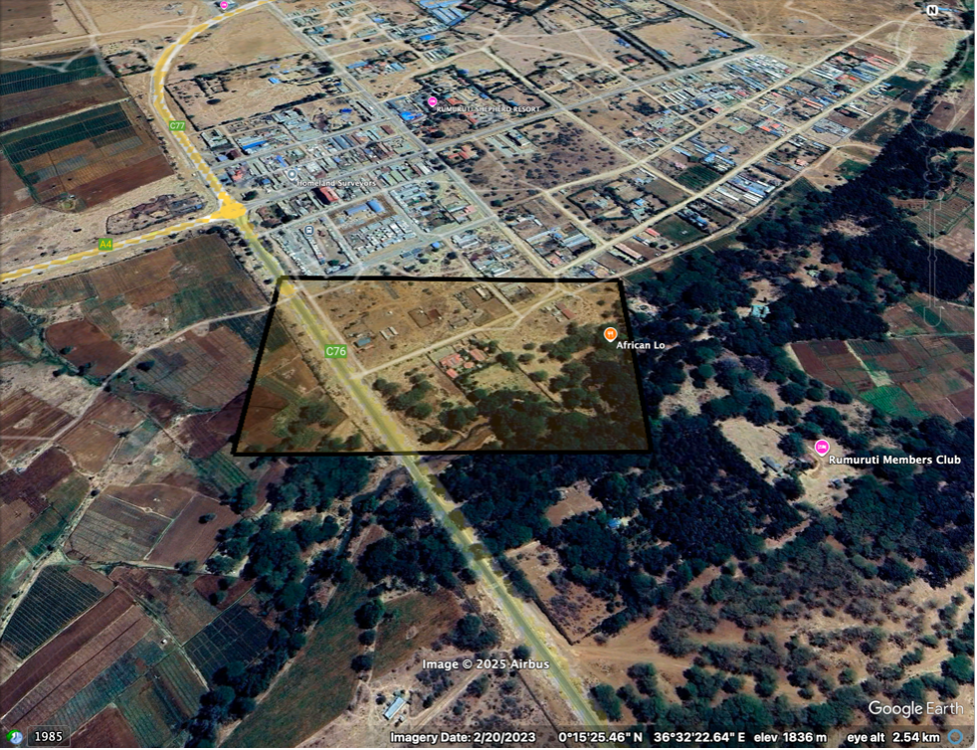
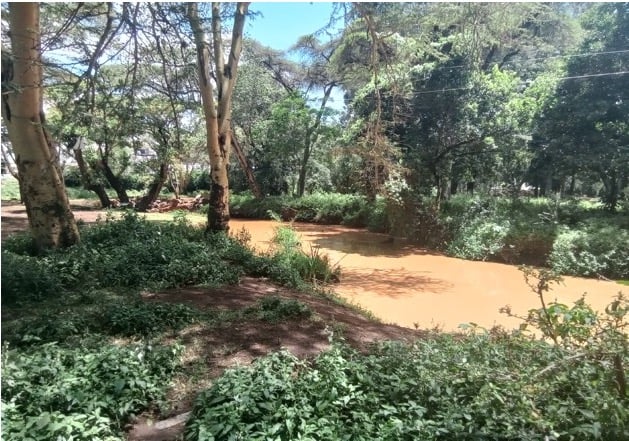
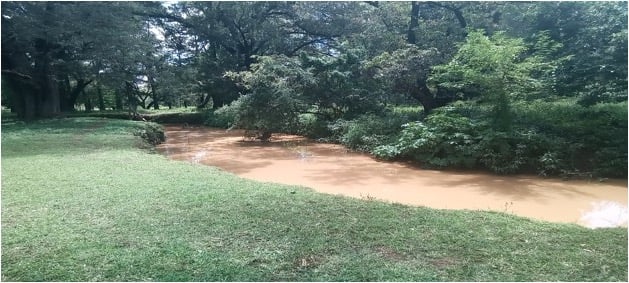
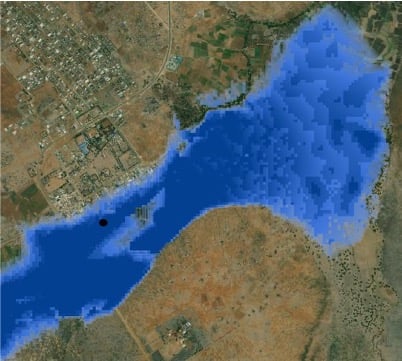
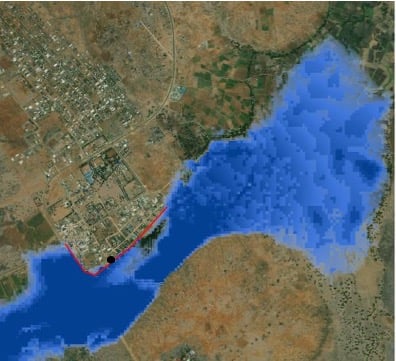
Effective flood risk reduction requires knowing exactly where the water will flow before the rain falls. Using advanced 3Di software, the team developed detailed hydrodynamic modelling to simulate extreme discharge scenarios along the Ewaso Narok River.
2. Capacity Building and Community Training
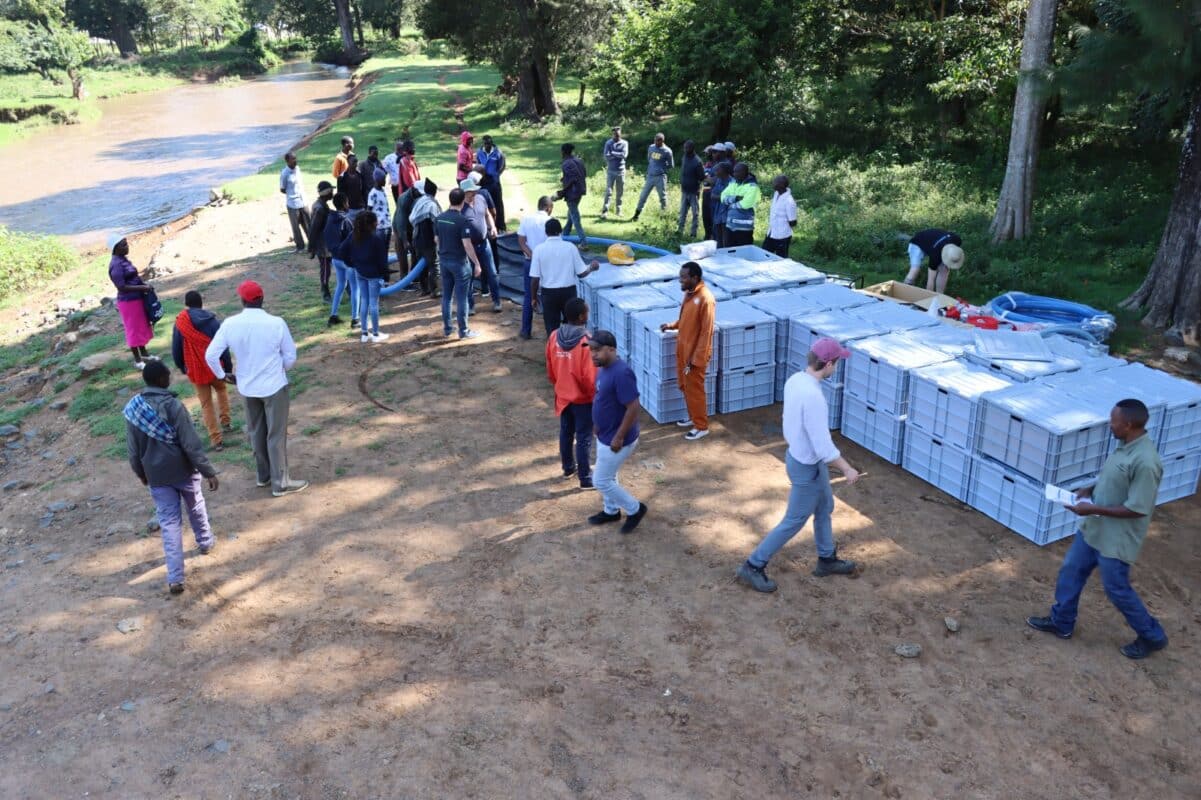
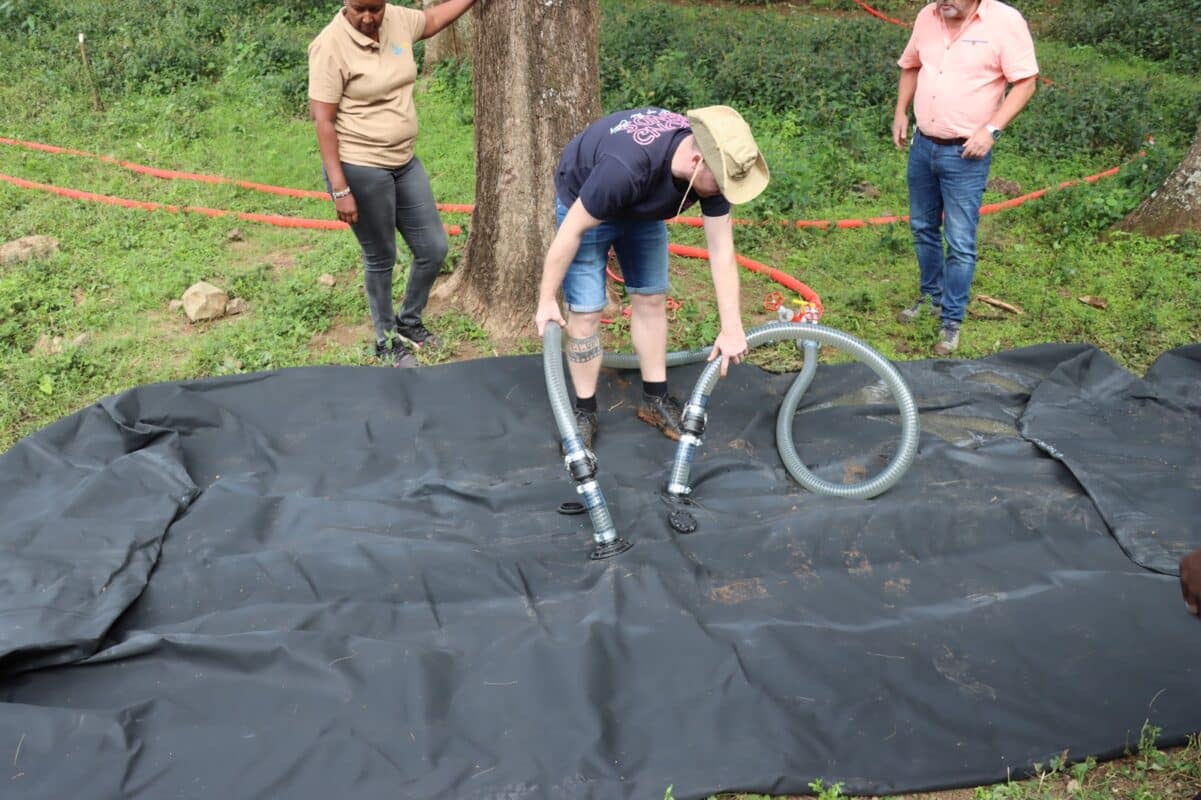
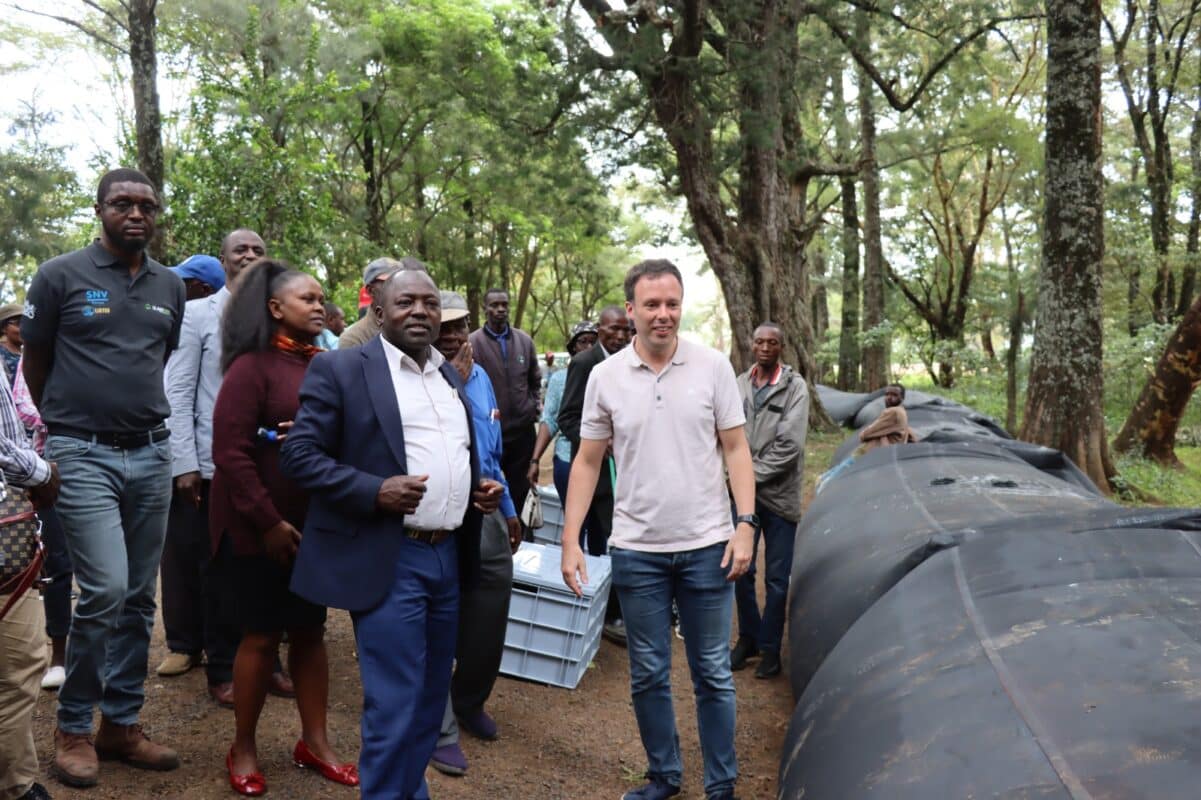
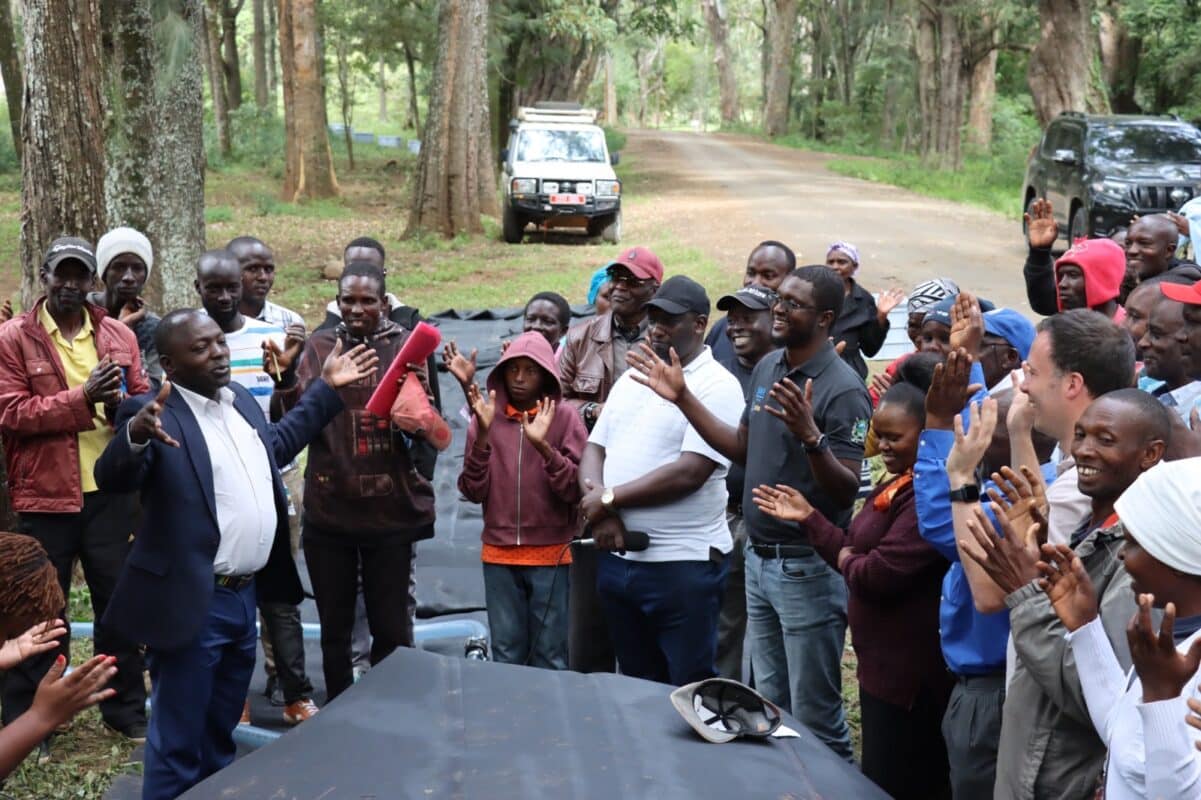
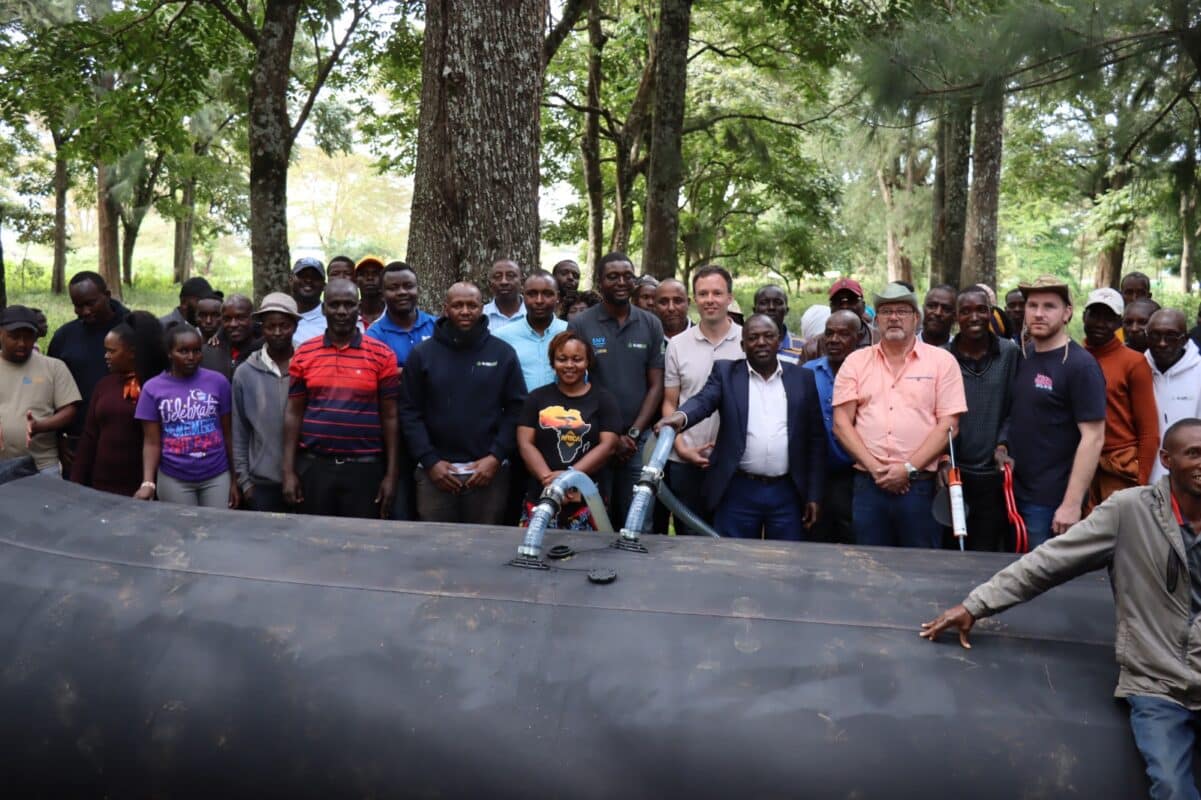
To ensure the long-term sustainability of the project, empowering local stakeholders was essential. Training focused on understanding flood flows, identifying early warning triggers, and mastering the practical setup of a water-filled flood barrier.
3. Rapid Deployment of Mobile Flood Barriers
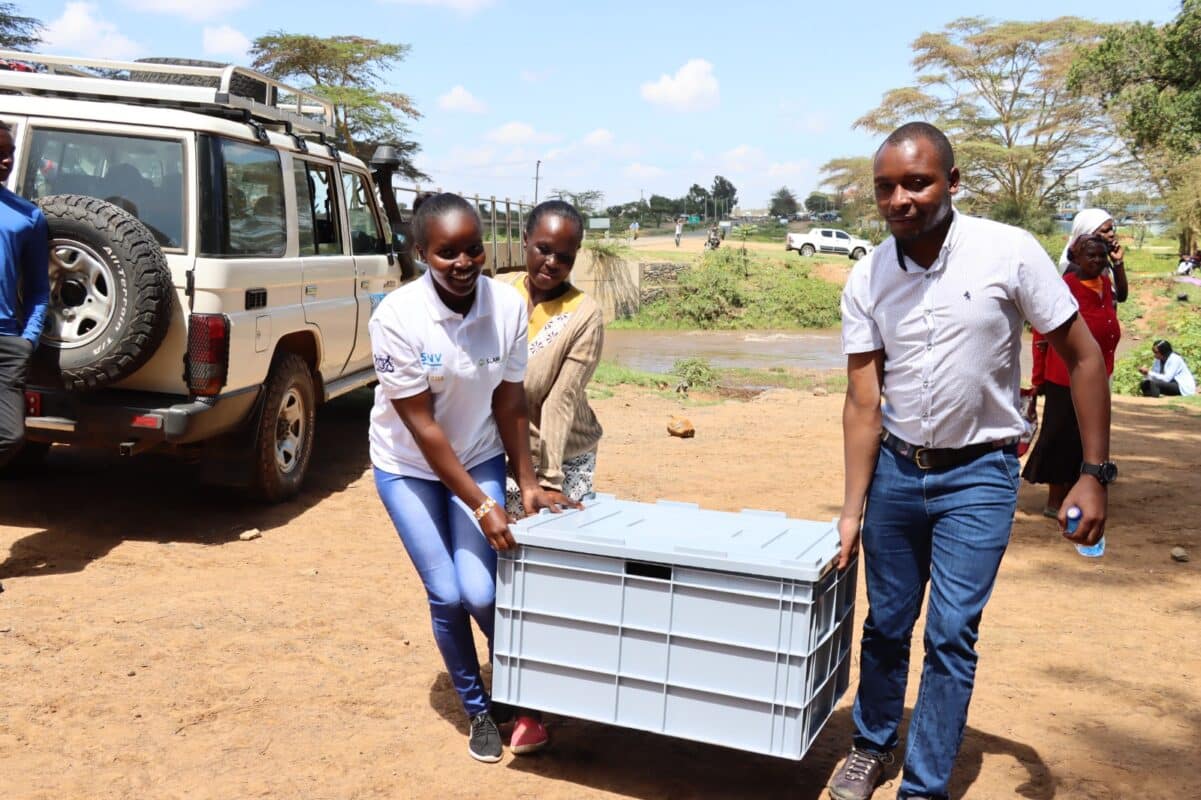
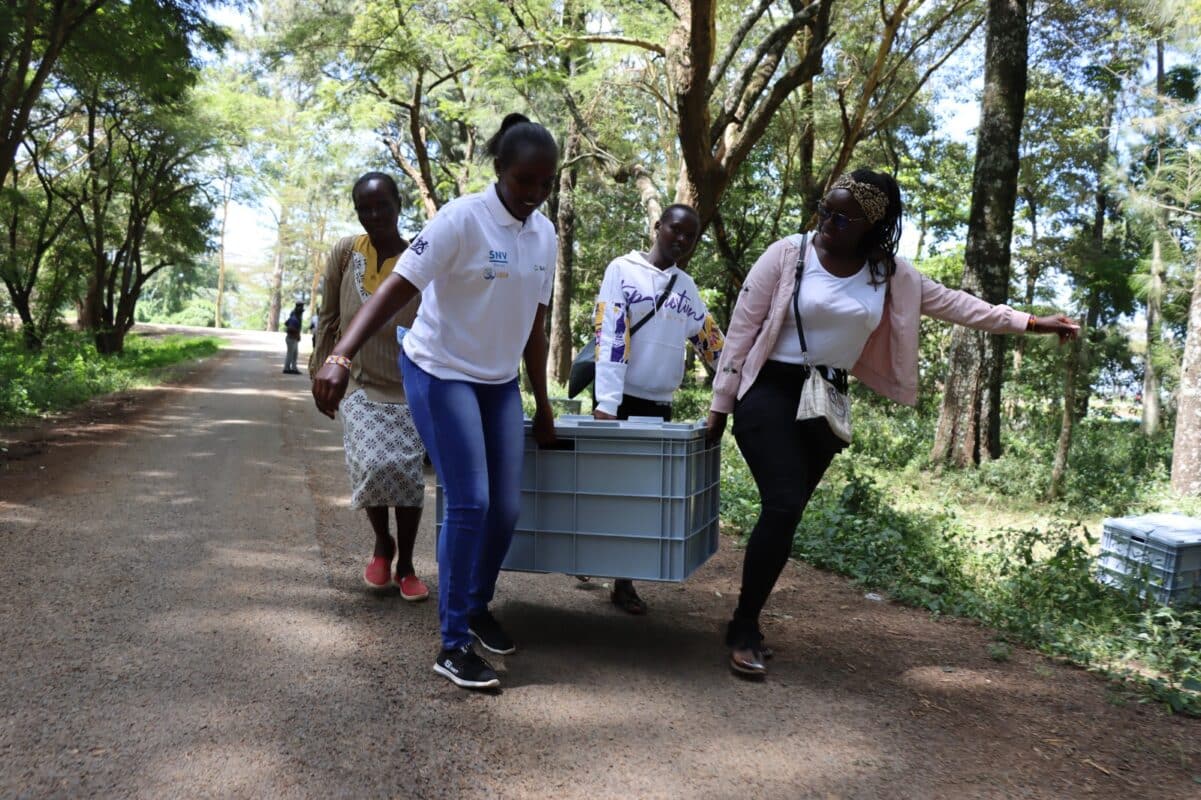
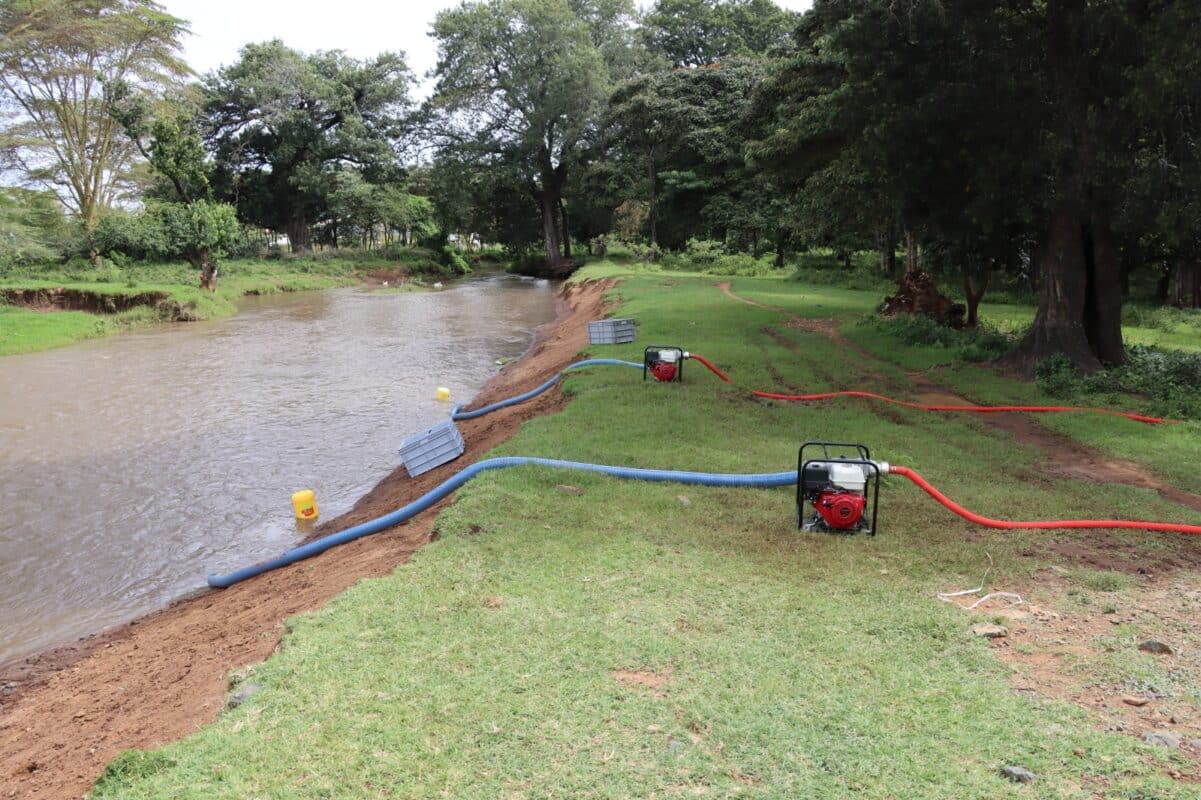
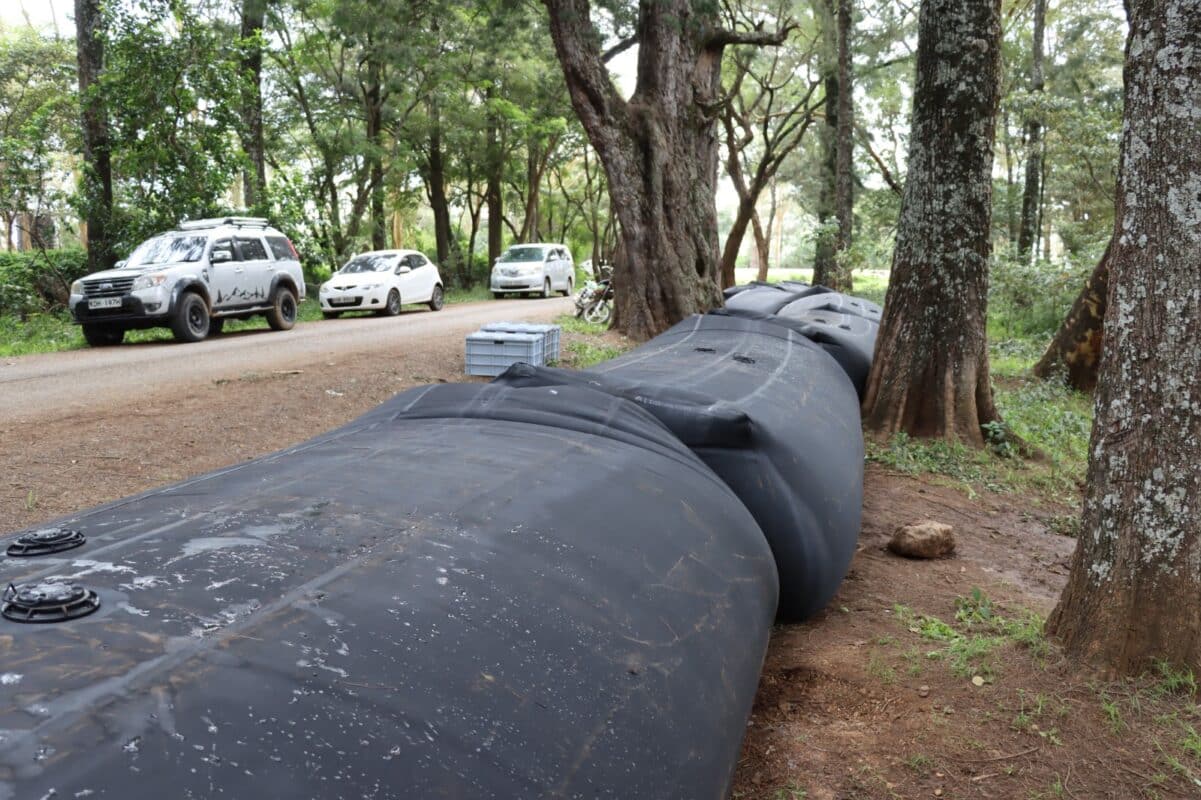
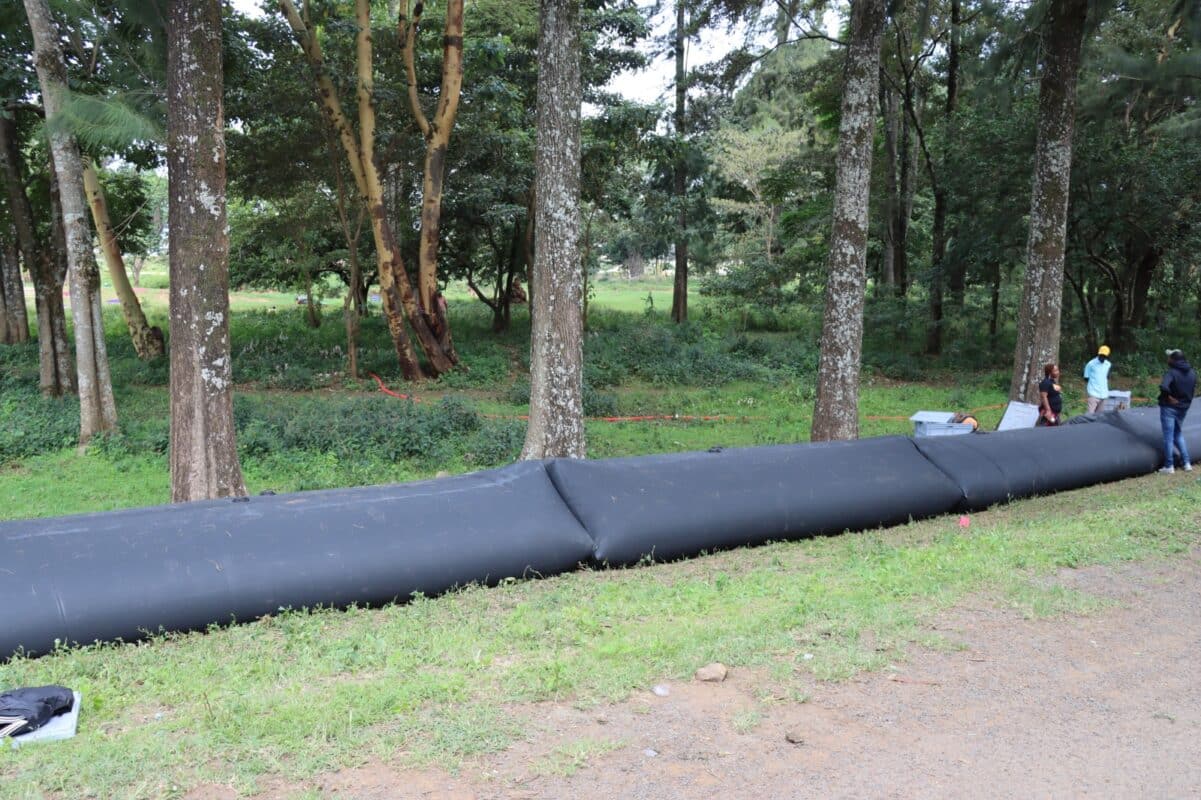
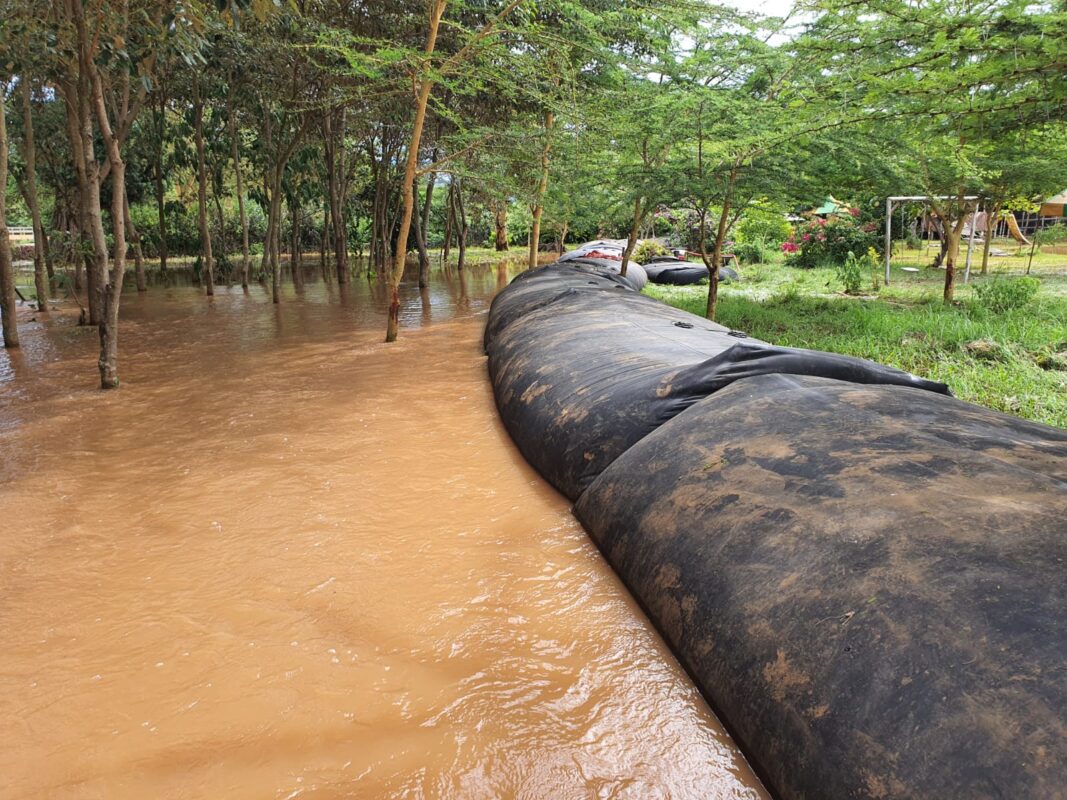
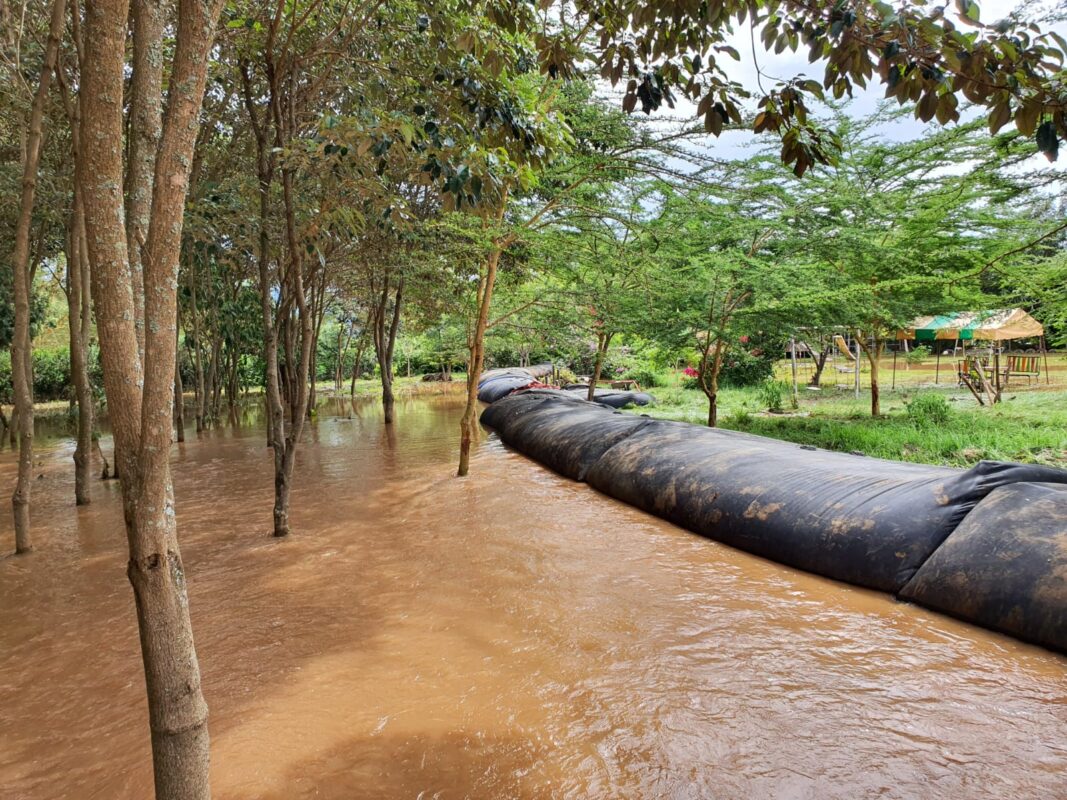
Guided by the hydrodynamic models, the team deployed SLAMDAM, WaveSave’s innovative mobile flood barrier system. Made of highly durable, heat-resistant EPDM rubber, the modular SLAMDAM tubes were deployed in key risk zones.
Beyond Flood Control in Kenya: Water Storage and Smart Irrigation
A unique advantage of the SLAMDAM system is its dual functionality. While traditional sandbags are discarded after a disaster, a single 5-metre SLAMDAM unit acts as a high-capacity water storage system, holding approximately 8,000 litres of clean water.