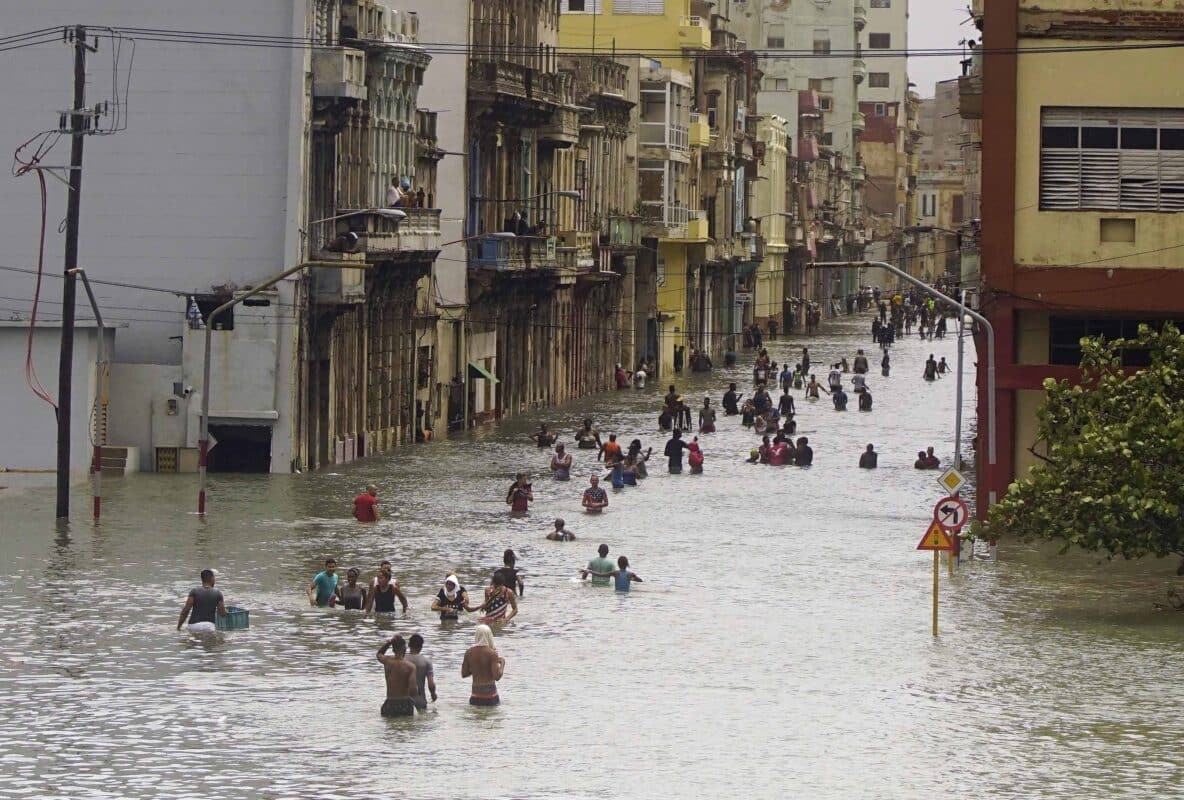
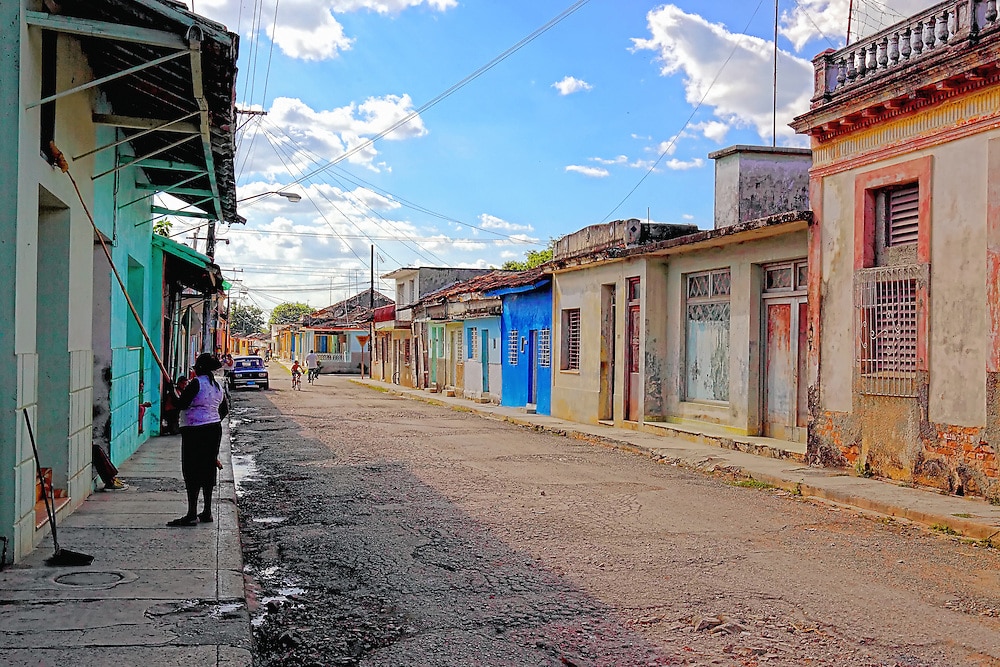
People wading through a flooded street between tall, weathered buildings. Some carry belongings; water reaches knee level. Overcast sky and muted colors indicate a recent heavy rainfall or storm.

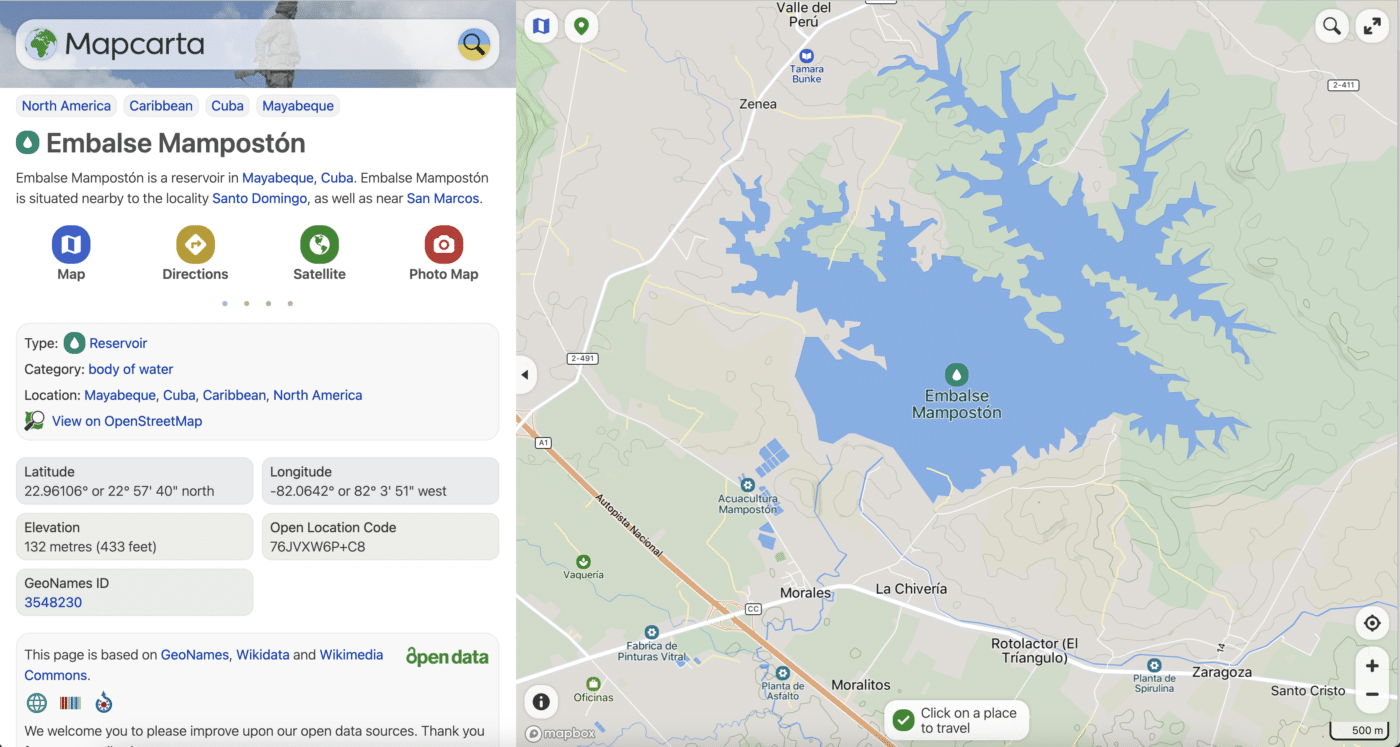
Mampostón Sub-Basin Flood Resilience Assessment Project

Flood risk impact assessment Cuba projects are essential to understand how flood events affect communities, infrastructure, and economic activity. In this 2024 project, WaveSave analysed flood risks and impacts to support better decision-making and climate resilience planning.

Project Overview

Background & Goal

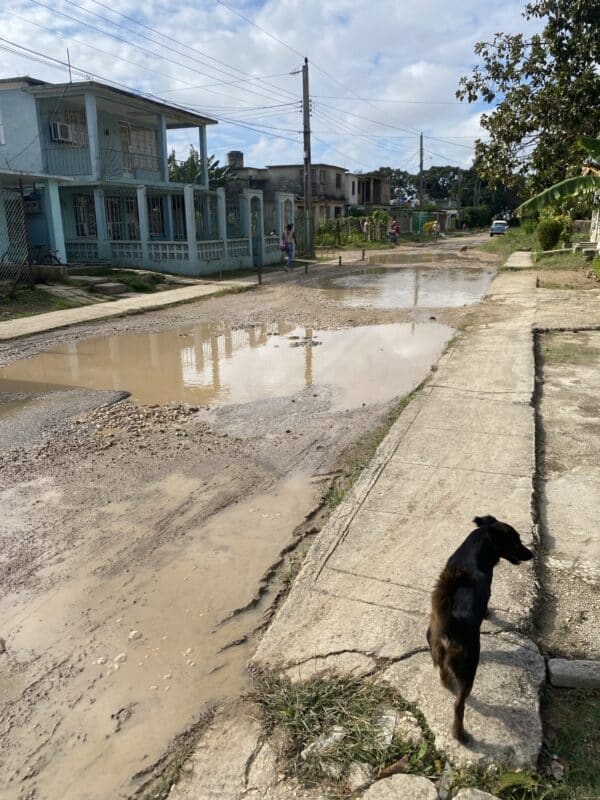
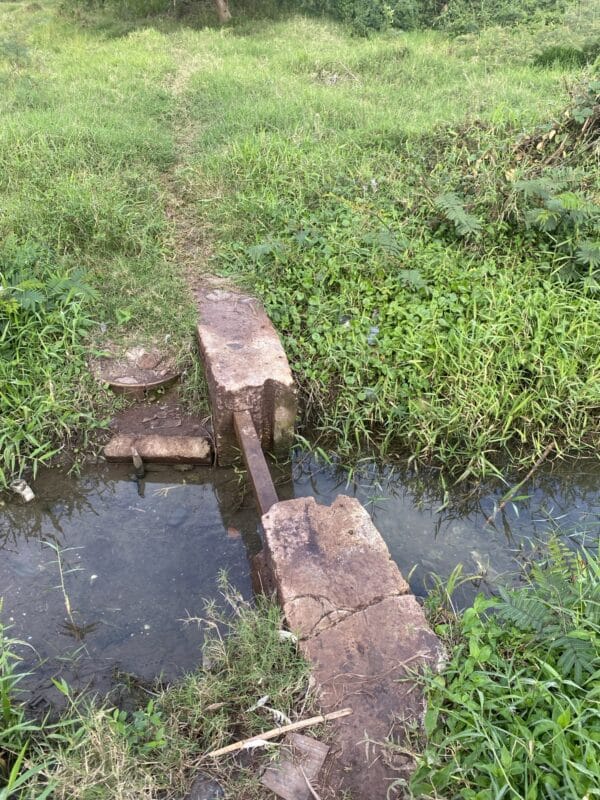
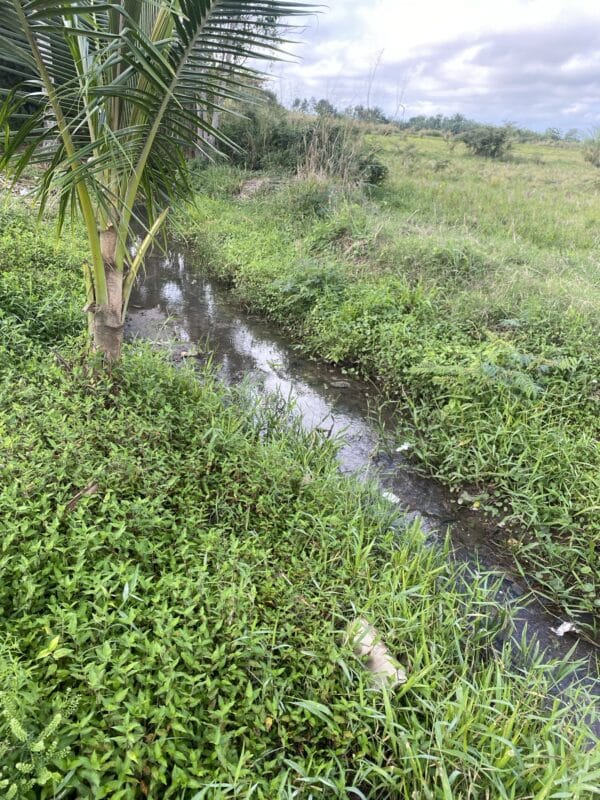
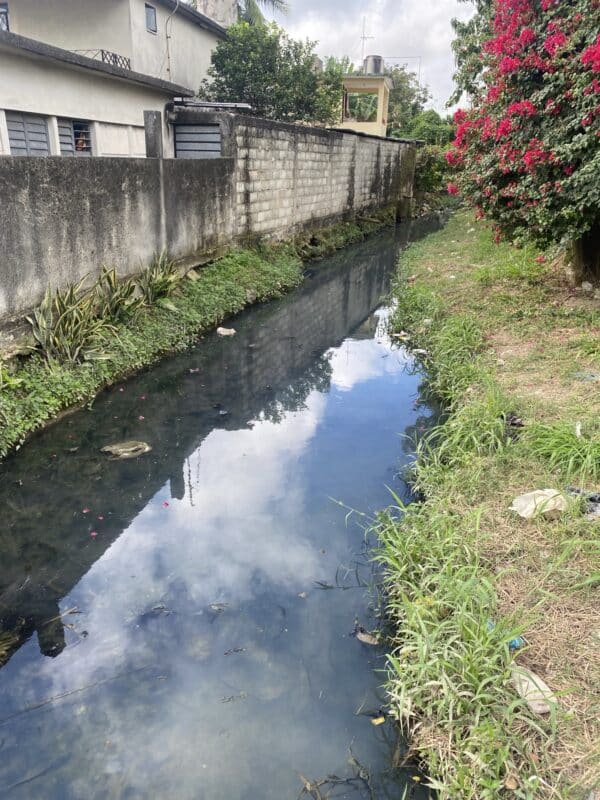
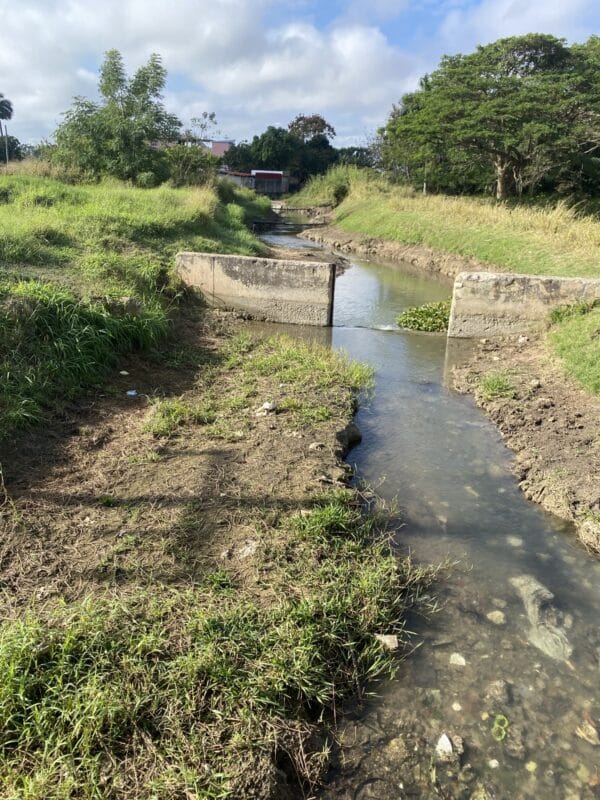
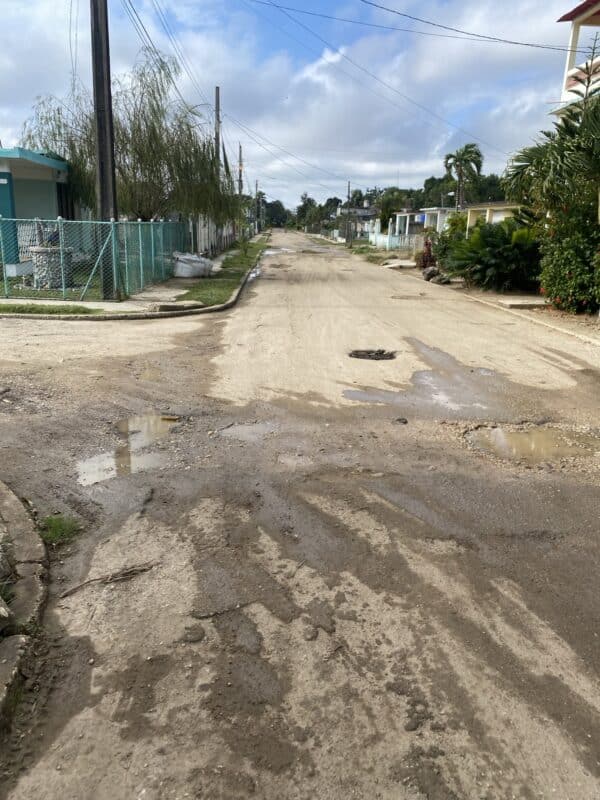
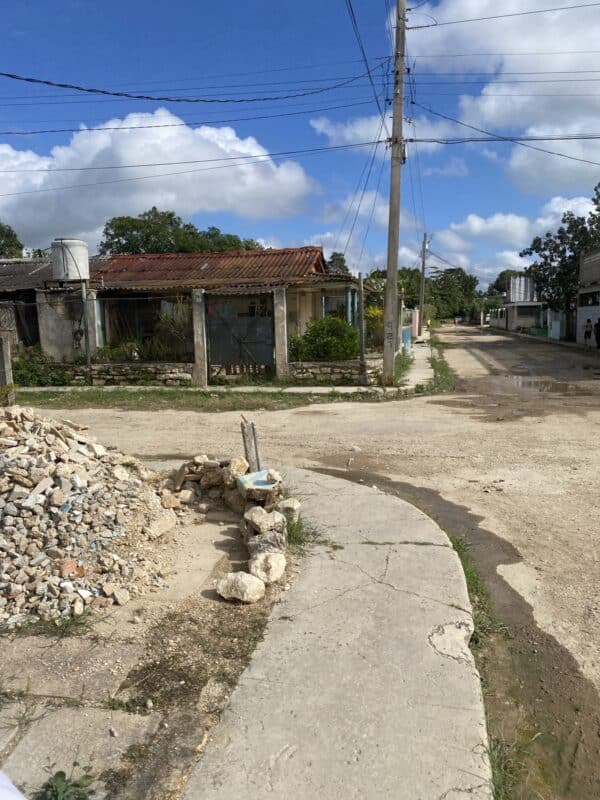
Cuba experiences extreme weather phenomena including hurricanes, torrential rains, and storm surges during May to October, with approximately 80% of annual rainfall occurring in this period. The Mampostón sub-basin area within the Mayabeque River basin is particularly vulnerable to both flooding and drought due to its geographical characteristics. During heavy rainfall, water drains from higher altitudes into the plain, overwhelming the soil which has lost its absorption capacity due to exploitation and poor management. These floods damage homes, businesses, public spaces, and agricultural production.


Flood risk impact assessment in Cuba

The goal was to conduct a comprehensive flood risk assessment of the Mampostón sub-basin and develop an actionable deployment strategy for SLAMDAM mobile barriers to protect vulnerable communities against recurring flood events while enabling water storage for drought periods. This flood risk impact assessment in Cuba provides insights into flood exposure and vulnerability.

Solution

Understanding flood risks and impacts

WaveSave delivered a multi-faceted flood resilience assessment including:

  • Advanced Hydrological Analysis
  • Strategic Barrier Placement Planning 
  • Data-Driven Decision Support System
  • Stakeholder Engagement Framework

Clients and Donors

This flood resilience assessment project was implemented in partnership with the Ministry of Science, Technology and Environment of Cuba, the United Nations Development Program (UNDP), and local authorities from the Güines municipality as part of the “Tarea Vida” climate adaptation program in Cuba

.

Location

Location: Mayabeque province, Cuba

Timeline: 2024

Project impact

A structured flood risk impact assessment in Cuba supports better planning and prioritisation.

  • Flood risk map for Mampostón sub-basin
  • Identified 14 flood intervention points
  • Estimated to flood dama reduction
  • Potential to capture 1.5 mio l of floodwater
  • Implementation roadmap for SlamDam
  • Engaged 100+ community stakeholders

Flood risk impact assessment builds on established approaches in hydrodynamic modelling and flood risk research, as developed by institutions such as TU Delft and supported by applied flood risk modelling and impact assessment methodologies from organisations like Deltares.

Why flood risk impact assessment matters

Flood risk impact assessment is a critical step in effective flood management and climate adaptation. Without a clear understanding of where flood risks occur and how they affect people, infrastructure, and economic activity, it is difficult to prioritise interventions or allocate resources effectively.

In contexts such as Cuba, where flood events can have significant social and economic impacts, understanding exposure and vulnerability is essential. A structured assessment helps identify high-risk areas and supports more informed decision-making.

By analysing flood risks and impacts, stakeholders can improve preparedness, reduce damage, and invest more effectively in resilience measures.

Gallery

Key highlights

SlamDam is a mobile flood barrier designed to provide rapid and effective flood protection.
Unlike traditional flood defenses, SlamDam can be deployed quickly.

Rapid deployment

Deployed 200 m of SLAMDAM in less than 2 hours to prevent glacier-melt flooding.

Community training

Local teams were trained in deploying and managing SLAMDAM and the early warning system.

Early warning system

Enhanced early flood warning with integrated monitoring and communication tools.

Resilience building

Reduced flood damage to homes and protected 250 hectares of farmland.

Early warning system

Enhanced early flood warning with integrated monitoring and communication tools.

Sustainable impact

Increased long-term flood resilience through community empowerment and scalable technology

Testimonials

What our clients say

The SLAMDAM project has successfully demonstrated how innovative flood barriers can protect vulnerable areas in Gilgit-Baltistan, offering a sustainable solution for flood management..

SLAMDAM has transformed our community’s resilience to floods. With the technology and training, we now feel empowered to protect our homes and livelihoods.

The SLAMDAM project has successfully demonstrated how innovative flood barriers can protect vulnerable areas in Gilgit-Baltistan, offering a sustainable solution for flood management..

The SLAMDAM project has successfully demonstrated how innovative flood barriers can protect vulnerable areas in Gilgit-Baltistan, offering a sustainable solution for flood management..

SLAMDAM has transformed our community’s resilience to floods. With the technology and training, we now feel empowered to protect our homes and livelihoods.

The SLAMDAM project has successfully demonstrated how innovative flood barriers can protect vulnerable areas in Gilgit-Baltistan, offering a sustainable solution for flood management..

The SLAMDAM project has successfully demonstrated how innovative flood barriers can protect vulnerable areas in Gilgit-Baltistan, offering a sustainable solution for flood management..

SLAMDAM has transformed our community’s resilience to floods. With the technology and training, we now feel empowered to protect our homes and livelihoods.

SLAMDAM has transformed our community’s resilience to floods. With the technology and training, we now feel empowered to protect our homes and livelihoods.

The SLAMDAM project has successfully demonstrated how innovative flood barriers can protect vulnerable areas in Gilgit-Baltistan, offering a sustainable solution for flood management..

The SLAMDAM project has successfully demonstrated how innovative flood barriers can protect vulnerable areas in Gilgit-Baltistan, offering a sustainable solution for flood management..

Want to learn more about this project or how WaveSave can bring flood protection to your community?.