WaveSave wins Climate Innovation Challenge for SLAMDAM

WaveSave was selected as a Climate Innovation Challenge winner for its SLAMDAM solution, a rapidly deployable water-filled flood barrier designed to reduce flood risk in vulnerable locations. For brand consistency, this article uses the company’s current name, WaveSave, although the official programme materials listed the company under its former name, Zephyr Consulting Ltd., at the time of the award.

Why SLAMDAM was selected

The Climate Innovation Challenge, or CIC, formed part of the wider CARE for South Asia programme led by the Asian Disaster Preparedness Center (ADPC). ADPC explains that CARE for South Asia was supported by the World Bank, while the innovation stream was financed through the Program for Asia Resilience to Climate Change (PARCC), a World Bank-administered trust fund supported by the UK Foreign, Commonwealth and Development Office. The programme aimed to identify and pilot innovations that could reduce climate risk and strengthen resilience across South Asia.

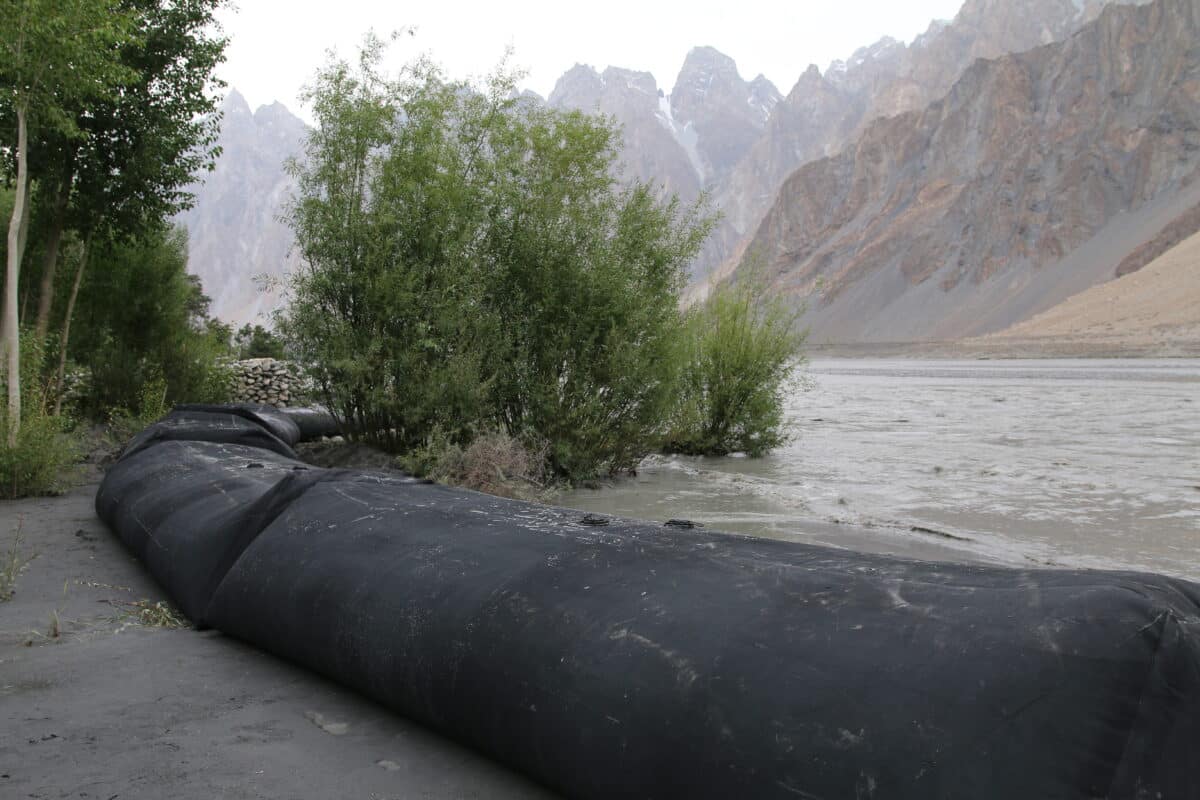
WaveSave’s winning solution was SLAMDAM, a practical mobile flood barrier for areas exposed to flood water. ADPC’s innovation listing states that the project would pilot SLAMDAM in Pakistan as a low-cost hardware solution to enhance resilience against floods, describing it as a movable water-filled flood barrier for flood-prone areas.

The implementation plan gives more context. It describes the project as a demonstration of SLAMDAM as an effective climate adaptation solution in Gilgit-Baltistan, Pakistan, where communities face flooding linked to seasonal glacier melt. The same document says the project was designed to strengthen resilience, reduce vulnerabilities to flood damage, and show that the solution could be scaled more widely across Pakistan.

  • Award
  • Omar Saleh
  • 18 October 2022
  • Reading time: 3 min
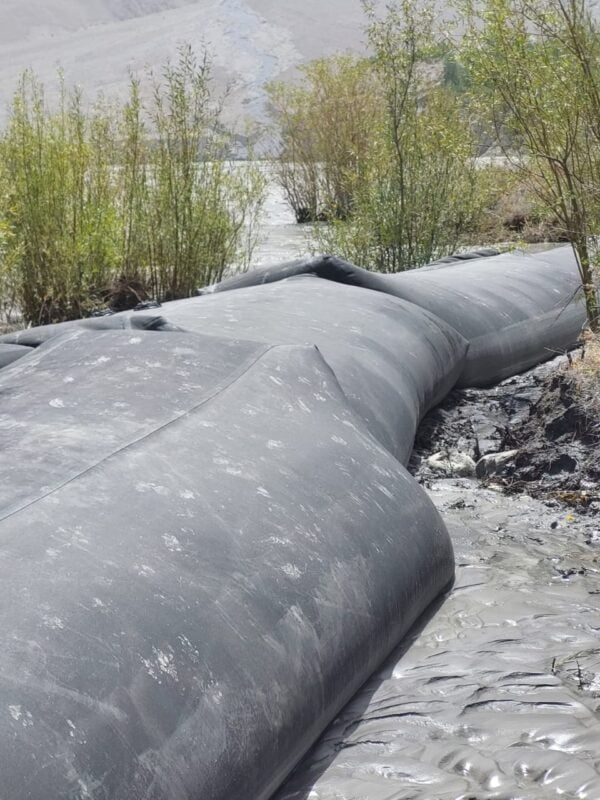
A large black water-filled flood barrier, a Climate Innovation Challenge winner, lies on muddy ground near a river, with trees and mountains in the background.

From recognition to pilot implementation in Pakistan

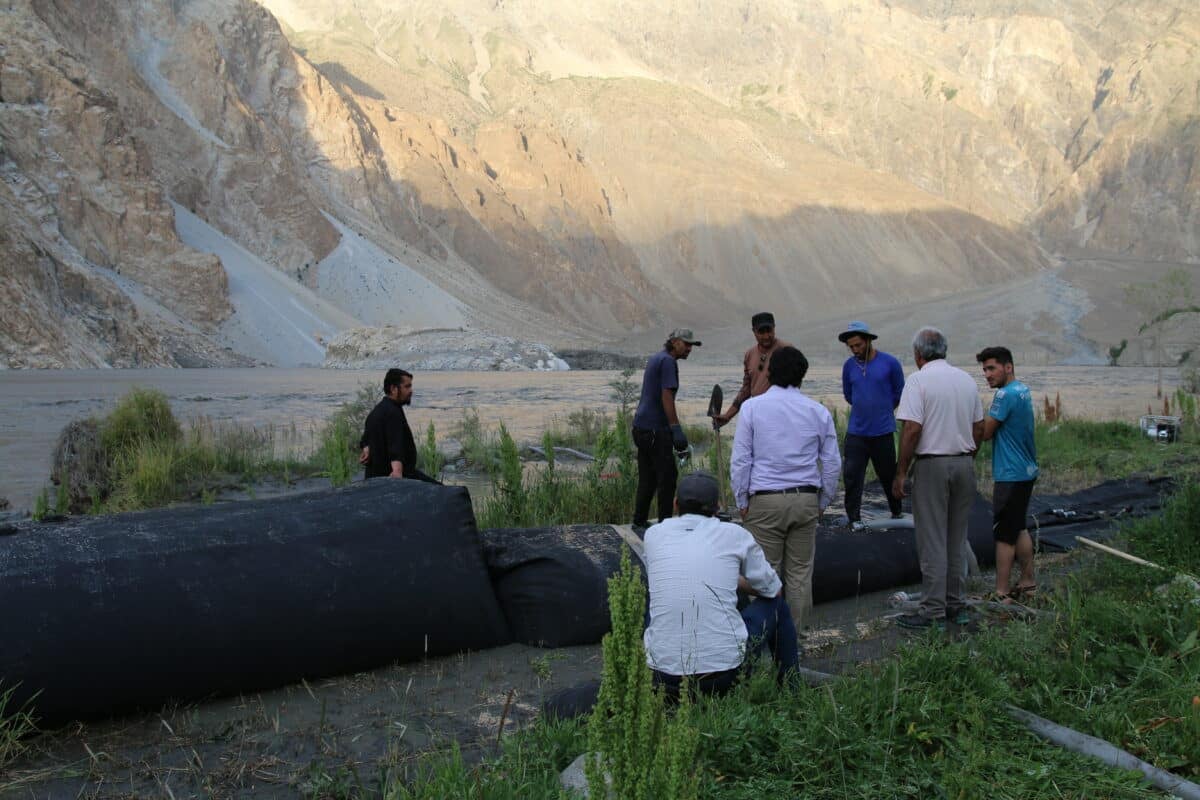
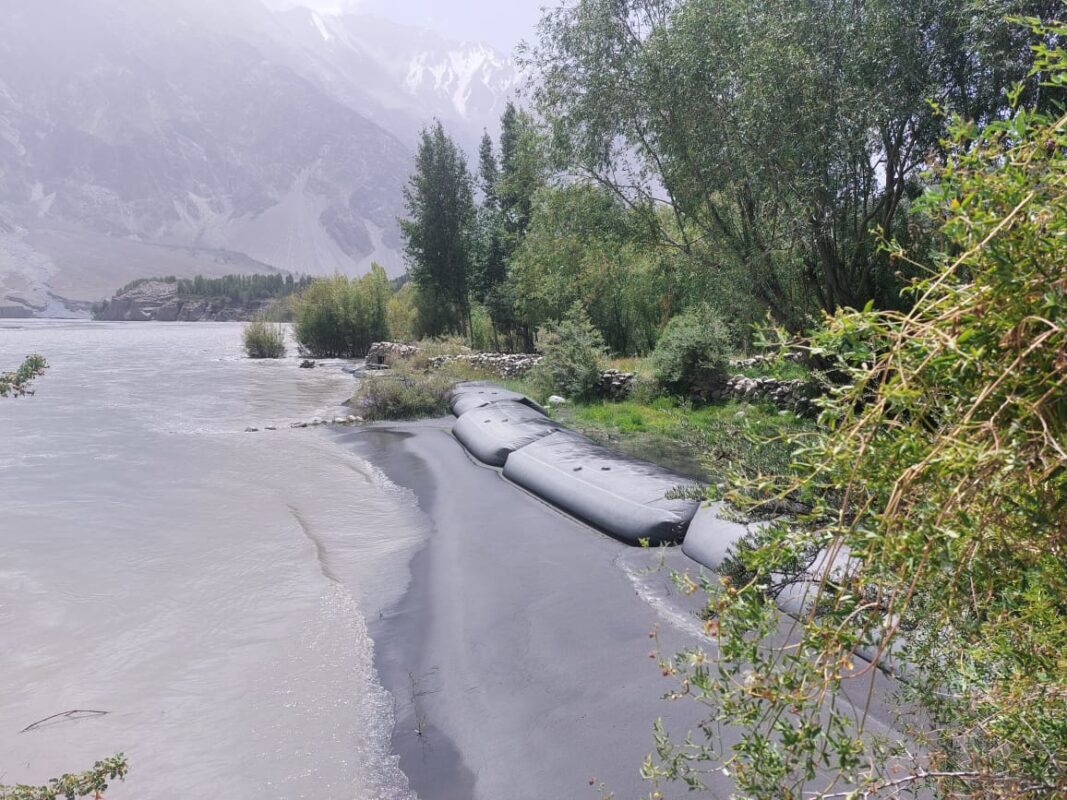
The significance of this milestone is that it moved beyond recognition into field implementation. According to the final report, the SLAMDAM pilot took place in Passu, Gilgit-Baltistan, along the Hanzu River, where seasonal glacier melt can contribute to river overflow and local flood risk. The report states that the pilot aimed to show whether SLAMDAM could serve as a scalable climate-adaptive solution in Pakistan and potentially in other South Asian contexts facing similar risks.

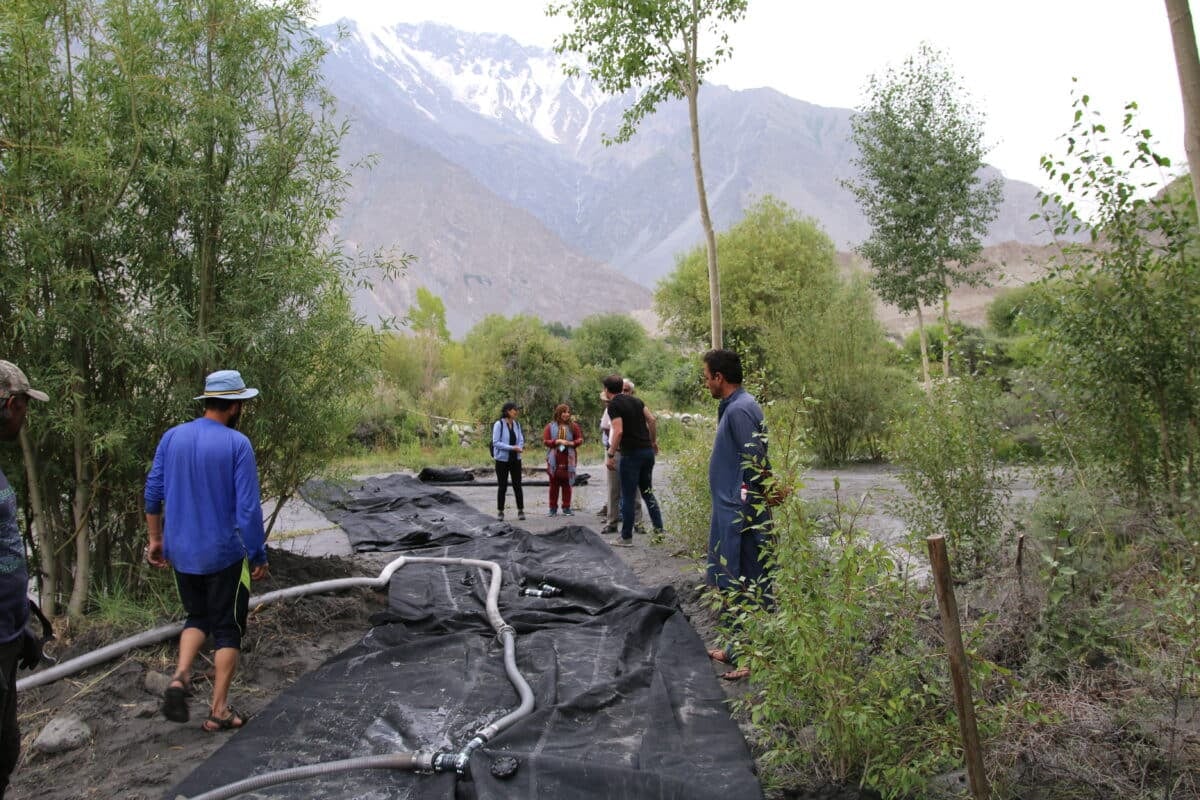
The same report explains that the project included manufacturing, transport, deployment, and local training. It also notes that the local flood response team deployed the barrier to demonstrate how it worked and help prevent flood damage caused by river overflow. That matters because it shows a clear path from award selection to practical use on the ground.


Building local capability, not only installing hardware

A strong part of the CIC project was its focus on preparedness and local capability. The implementation plan set out work on flood-risk assessment, training, a dry-run demonstration, a real-life demonstration, monitoring and evaluation, and a roadmap for scale-up. In other words, the project was not only about placing a barrier at one site. It was also about helping communities and institutions understand when, where, and how to use the technology effectively.

That broader resilience approach also appears in the official project materials. ADPC’s poster describes SLAMDAM not only as a flood protection tool, but as part of a larger system that can include flood-risk analysis, support to flood early warning, deployment planning, and efforts to strengthen local institutions and community self-reliance. The same material also notes that the barrier can be used for water storage, which adds practical value beyond emergency protection alone.

A large black geotextile tube, a Climate Innovation Challenge winner, lies on muddy ground near water and green shrubs, with mountains visible in the background.

Why this matters for WaveSave today

This recognition still matters because it shows that WaveSave’s solution was not treated as a concept only. It was selected through a competitive climate innovation programme, supported through implementation planning, and documented through a final technical report. For governments, donors, and infrastructure partners, that creates a stronger basis for trust than a product description alone.

It also strengthens WaveSave’s position in flood resilience. ADPC’s materials continue to describe SLAMDAM as one of the supported innovations under the broader iCARE / CARE for South Asia innovation portfolio, reinforcing its relevance within a recognised regional climate resilience initiative.

Looking ahead

For WaveSave, this milestone is more than an award story. It shows how practical climate adaptation can move from recognition to pilot implementation when the solution is paired with local training, deployment planning, and a route to scale-up. In a sector where many solutions remain conceptual, that combination of innovation and field application is what makes the story relevant today.

Quick answer

WaveSave was selected as a Climate Innovation Challenge winner for SLAMDAM, a water-filled mobile flood barrier. The project was part of ADPC’s wider CARE for South Asia programme and moved into pilot implementation in Passu, Gilgit-Baltistan, Pakistan. The work combined barrier deployment with training, flood-risk assessment, demonstration, and planning for future scale-up. Official programme documents listed the company under its former name, Zephyr Consulting Ltd., at the time.

Interested in meeting us at the event?

Flood Barrier Innovation: SLAMDAM Wins KIWW 2021

SLAMDAM, a water-filled flood barrier developed by WaveSave, was recognised at the World Water Challenge 2021 during Korea International Water Week (KIWW). The solution received an “Outstanding” award, highlighting its practical value in flood protection and climate resilience worldwide.

This recognition places SLAMDAM among a select group of globally evaluated water solutions. Experts assessed each finalist on feasibility, impact, and real-world applicability.

Global recognition for flood barrier technology

The World Water Challenge is an international platform organised by the Korea Water Forum and the Ministry of Environment of the Republic of Korea. It focuses on identifying practical and scalable solutions to global water challenges.

In 2021, the programme received 73 solutions from 32 countries, of which only nine reached the final round.

SLAMDAM stood out in the category of flood prevention and water management, where it was recognised as an effective and deployable flood barrier.

  • Award
  • Omar Saleh
  • 01 November 2021
  • Reading time: 3 min
World Water Challenge 2021 banner featuring a water drop design, Flood Barrier theme, logos of the Ministry of Environment and Korea Water Forum, and the word "Outstanding" in bold.

Why SLAMDAM was recognised as a flood barrier solution

Flood risks continue to increase due to extreme weather events, urbanisation, and changing water systems. As a result, authorities and organisations require solutions that are:

  • Quick to deploy
  • Scalable across different terrains
  • Reliable under real flood conditions


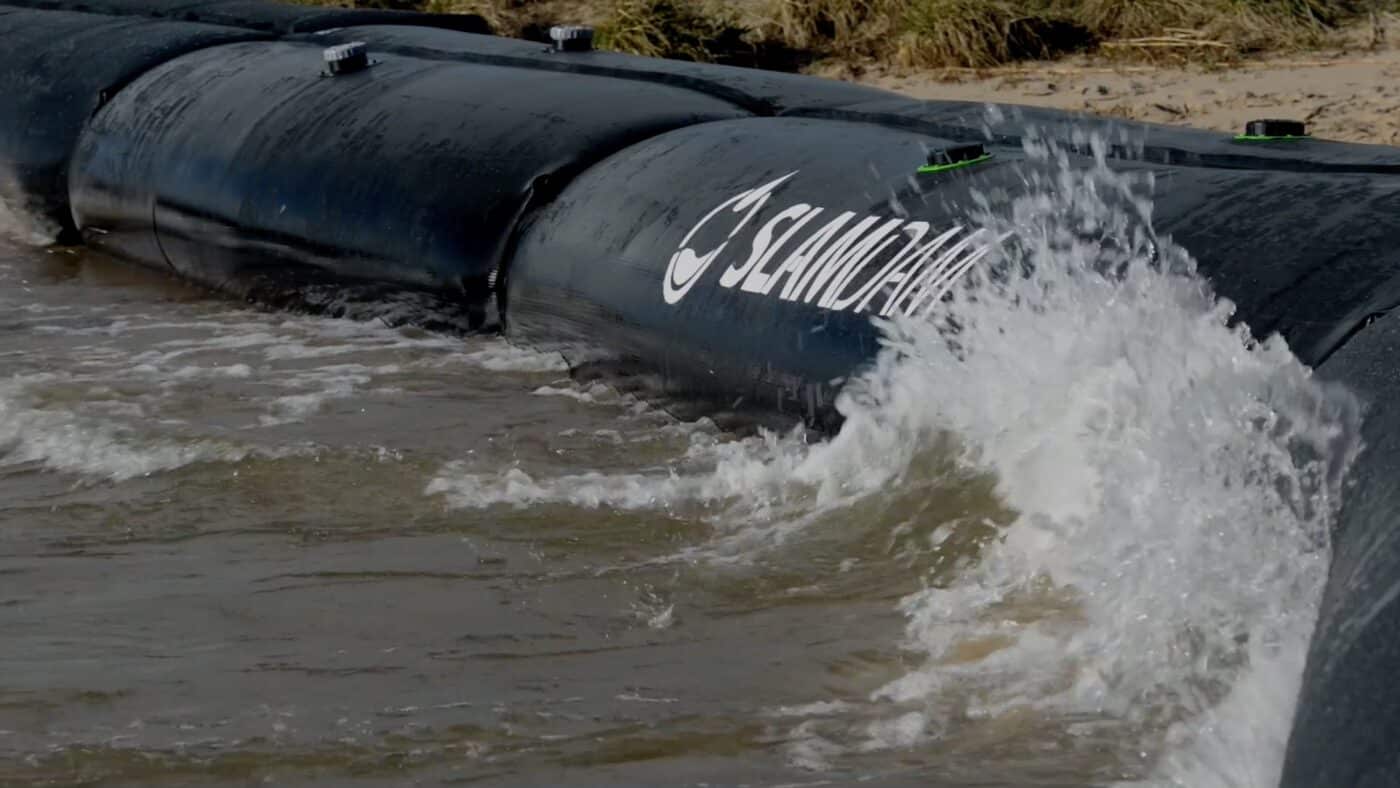
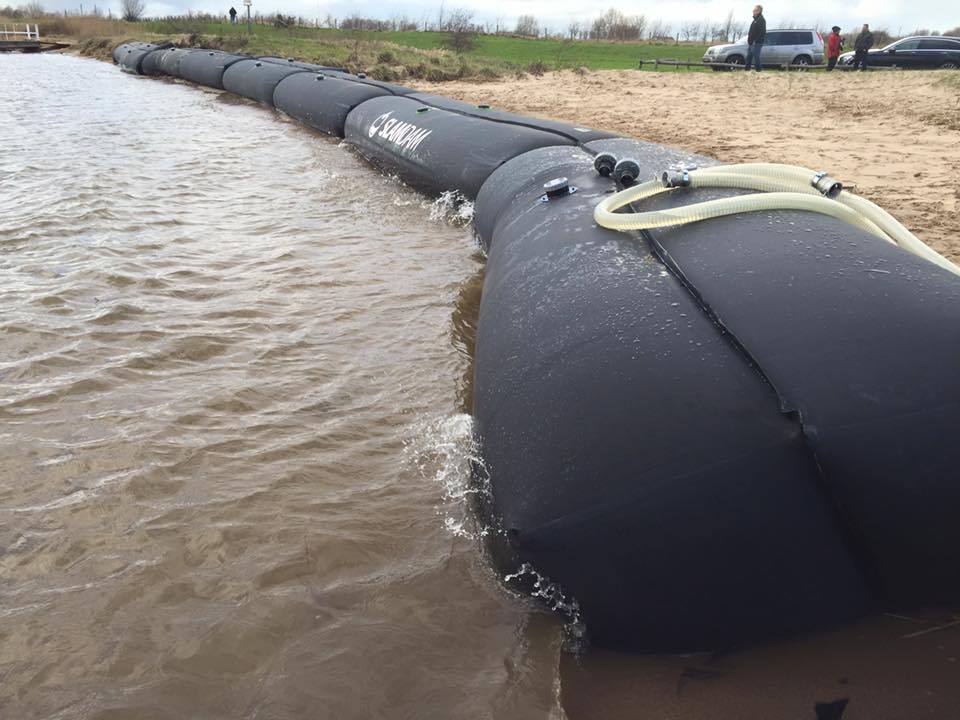
SLAMDAM meets these requirements through a simple but effective concept. It uses locally available water to create a temporary flood barrier, eliminating the need for heavy materials or complex logistics.

This approach makes it suitable for:

  • Emergency flood response
  • Temporary flood protection
  • Controlled water storage
  • River and canal management


Because of this practical application, the solution aligns closely with the evaluation criteria of the World Water Challenge, which prioritises feasibility and impact.

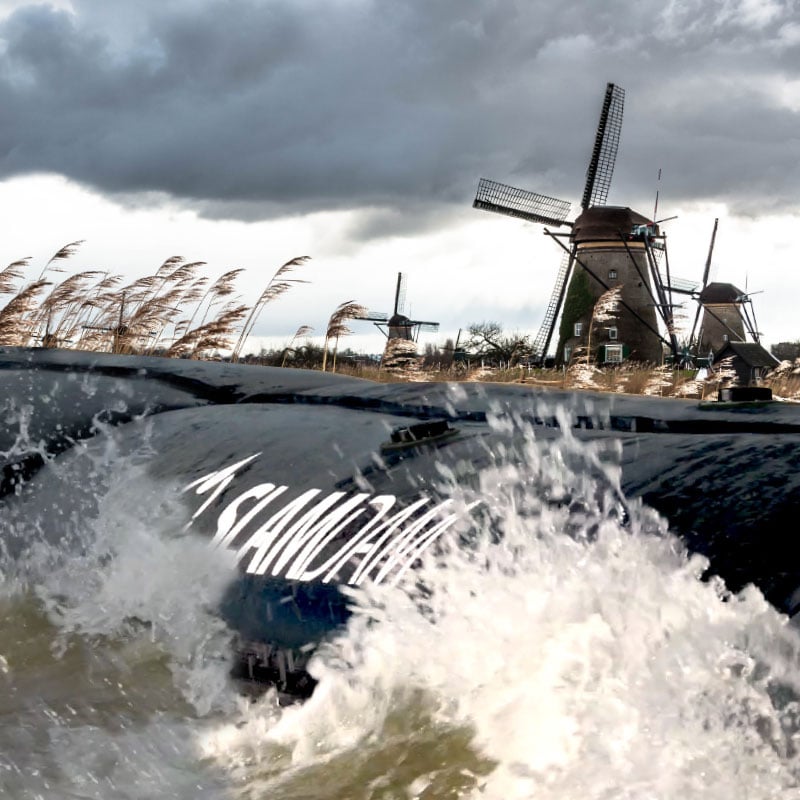
A large wave splashes against a black flood barrier marked "ISLAND," with windmills and tall grass visible in the background under a cloudy sky.

Supporting flood protection and water resilience

Unlike traditional flood defences, SLAMDAM does not rely on permanent infrastructure. Instead, it offers flexibility. Authorities can deploy it where and when needed, and remove it after use.

This flexibility supports:

  • Flood protection in vulnerable areas
  • Water storage for agriculture or drought mitigation
  • Rapid response in disaster scenarios


At the same time, the system can integrate with broader water management strategies, including data-driven approaches such as hydrodynamic modelling.

From innovation to real-world application

The World Water Challenge focuses on solutions that can be applied in real-world conditions. This is where SLAMDAM distinguishes itself.

It is not a conceptual design. Instead, it is already used and tested in multiple environments, including:

  • Riverbanks
  • Agricultural areas
  • Coastal zones


As a result, the award confirms not only innovation, but also practical usability in the field.

What this means for partners and stakeholders

For governments, NGOs, and infrastructure partners, this recognition provides an important signal. It shows that SLAMDAM:

  • Has been independently evaluated by international experts
  • Meets global standards for water solutions
  • Offers a reliable option for flood resilience


In addition, it opens opportunities for collaboration, pilot projects, and large-scale deployment.

Looking ahead

Water challenges will continue to evolve. Flooding, in particular, will remain a critical issue for many regions.

WaveSave continues to develop and deploy solutions that address these challenges in a practical and scalable way. The recognition at KIWW 2021 reinforces this mission.

Quick answer

SLAMDAM is a water-filled flood barrier that received an “Outstanding” award at the World Water Challenge 2021. The competition evaluated global solutions based on feasibility, impact, and innovation. SLAMDAM was recognised for its practical use in flood protection and water management. It offers a flexible and scalable approach to flood resilience.

Interested in meeting us at the event?

SLAMDAM Achieves Independent Flood Protection Certification

SLAMDAM has been certified for flood protection by the National Hydraulic Research Institute of Malaysia (NAHRIM) following controlled hydrodynamic testing. The results confirm its performance as a mobile flood barrier under realistic flood conditions, providing independent validation for real-world deployment.

SLAMDAM Certified for Flood Protection After NAHRIM Testing

SLAMDAM has been independently certified for flood protection by the National Hydraulic Research Institute of Malaysia (NAHRIM). The certification confirms the system’s performance as a mobile flood barrier under controlled hydrodynamic testing conditions.

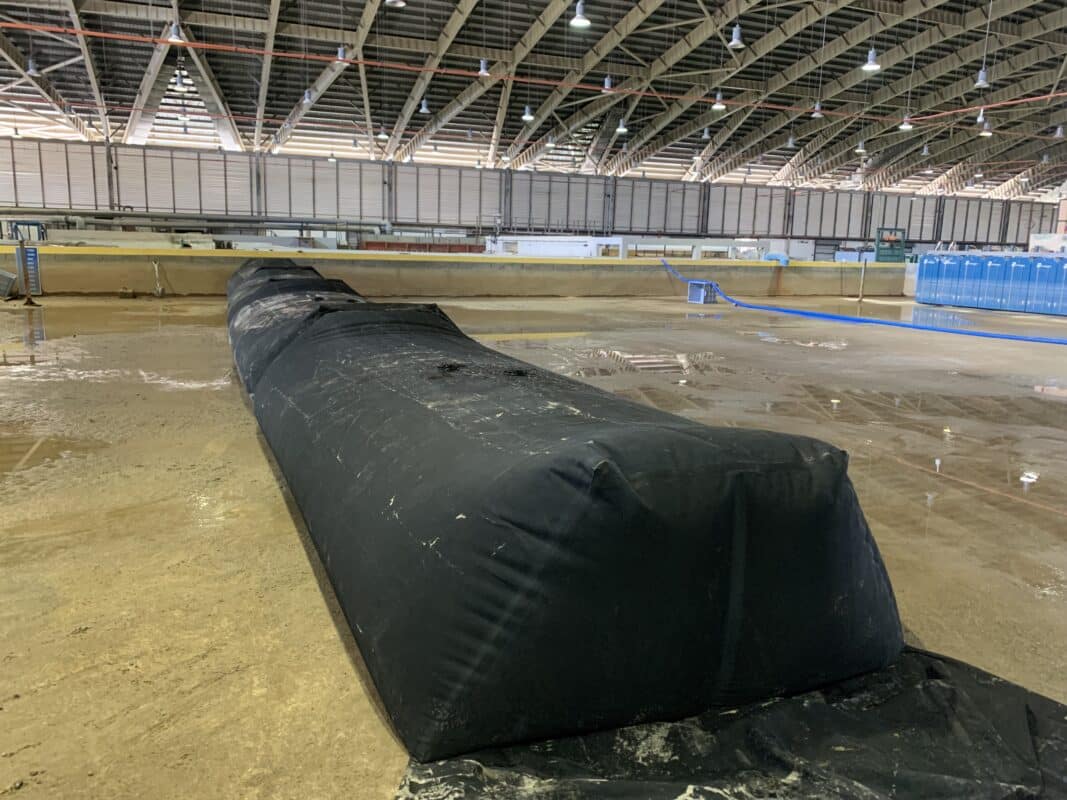
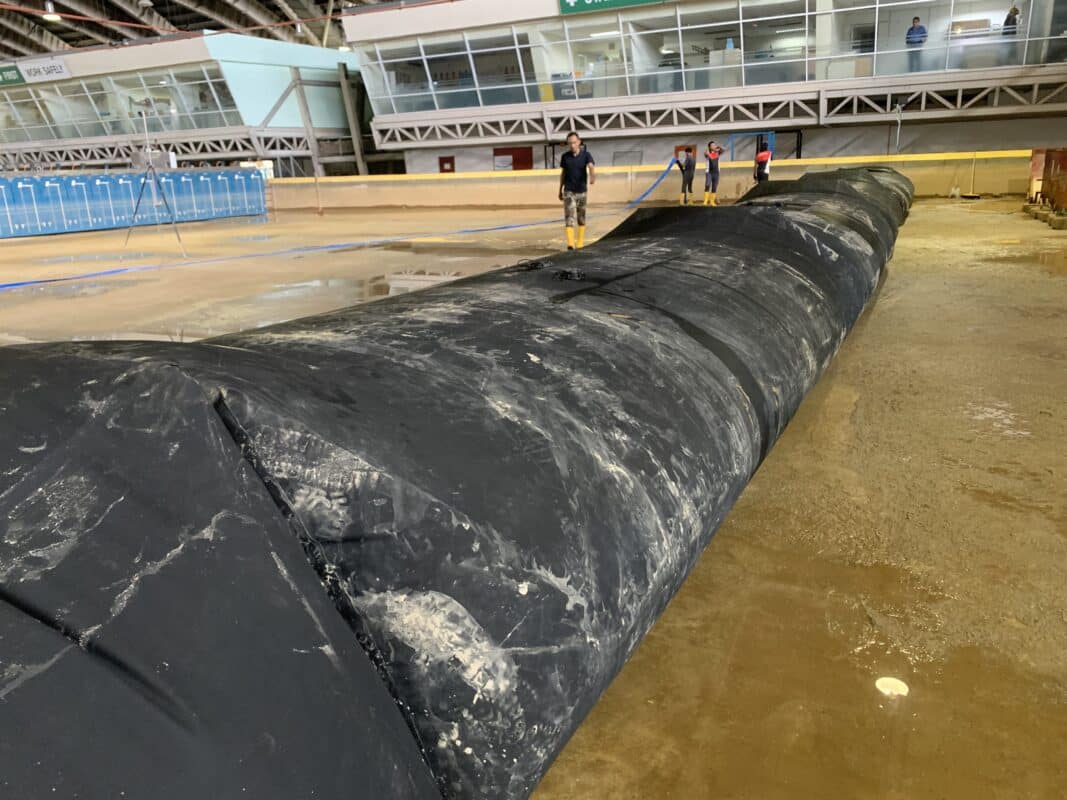
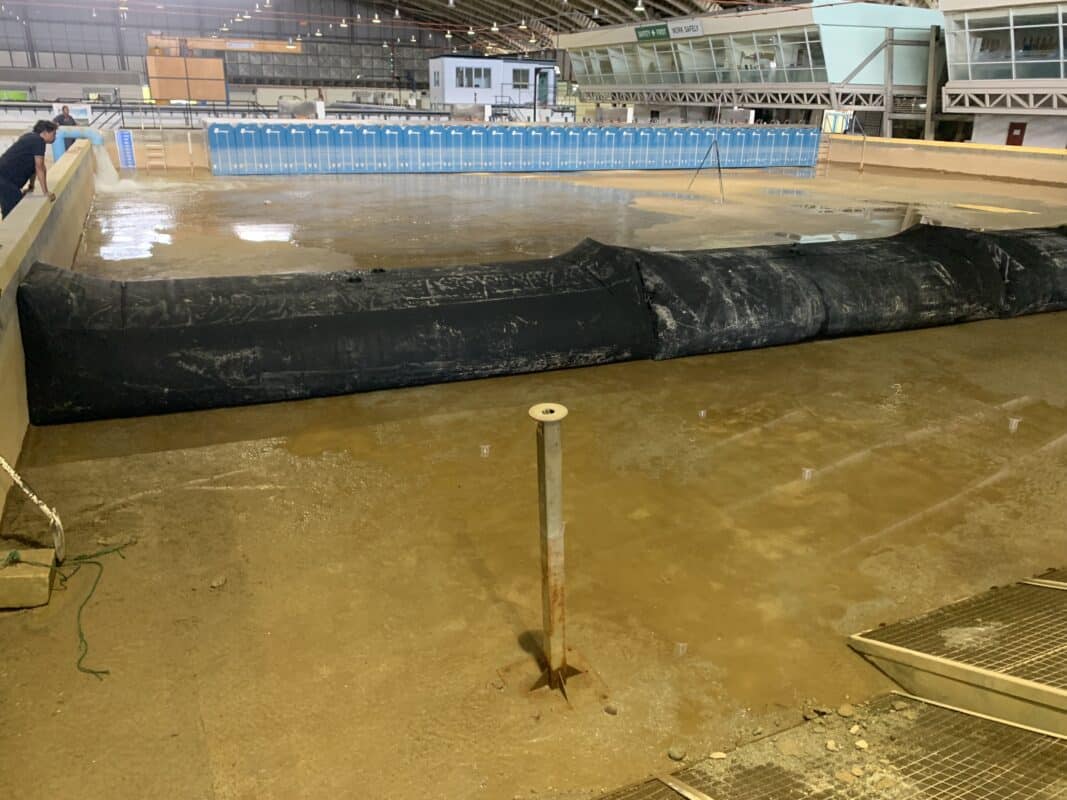
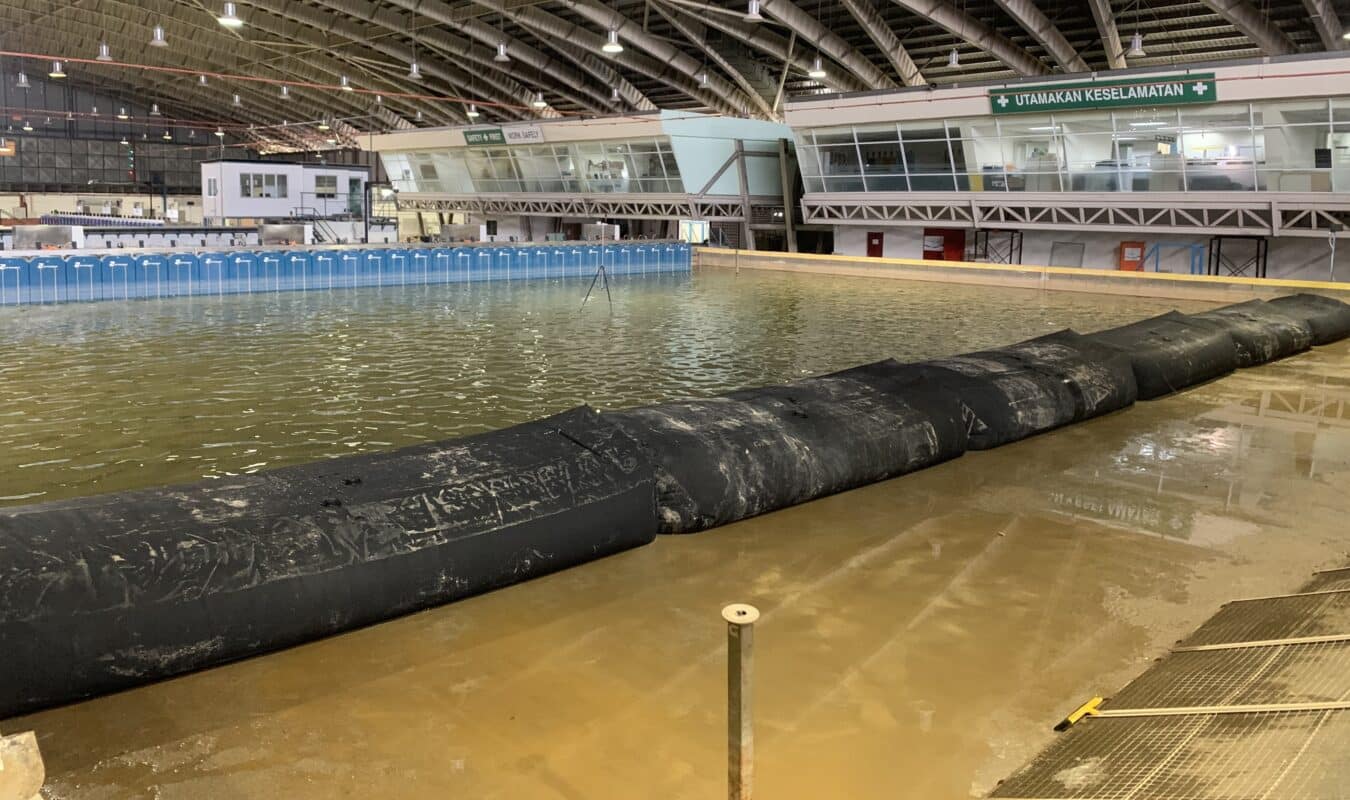
During the testing programme, six SLAMDAM units with a total length of 30 metres were deployed and evaluated under different scenarios. This process provides verified insight into how the system behaves under varying levels of flood water and pressure.

.

  • Certification
  • Omar Saleh
  • 15 January 2026
  • Reading time: 4 min
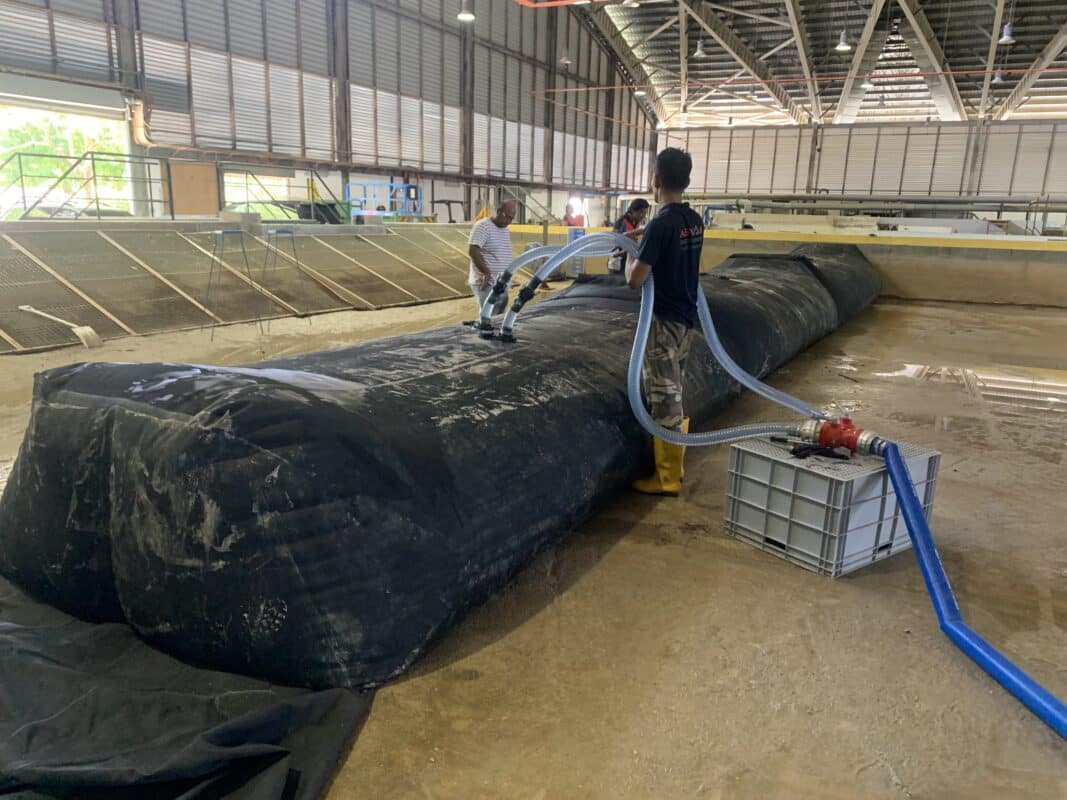
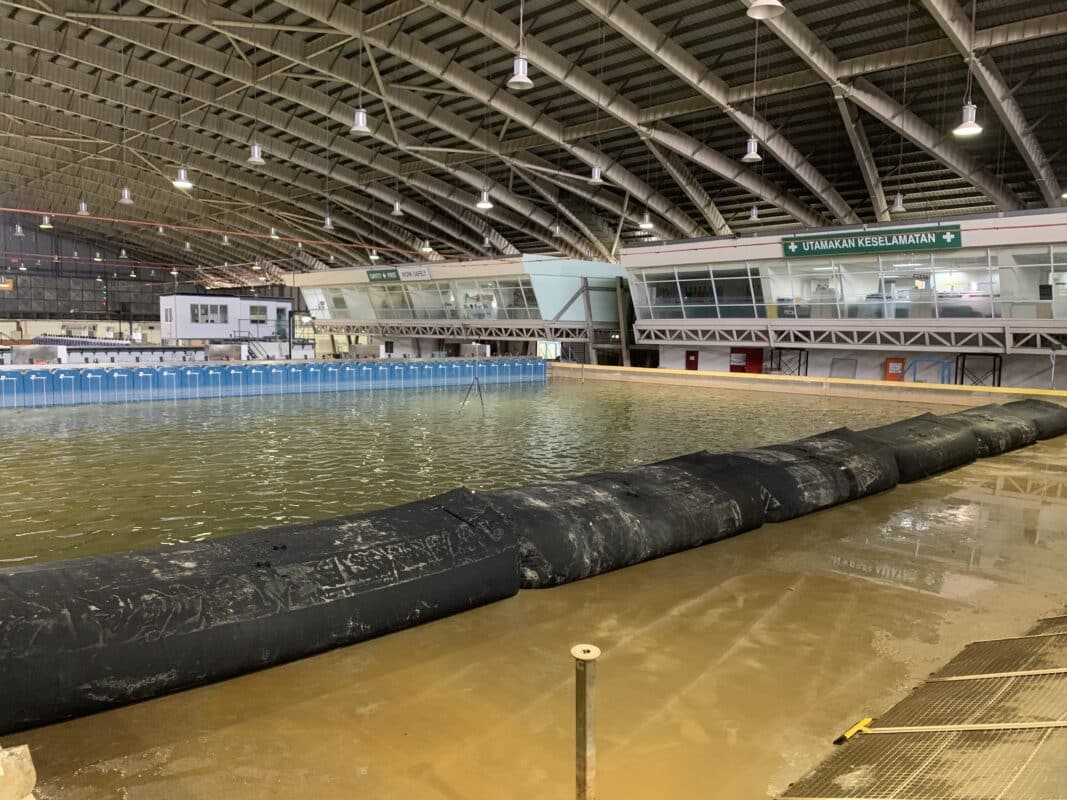
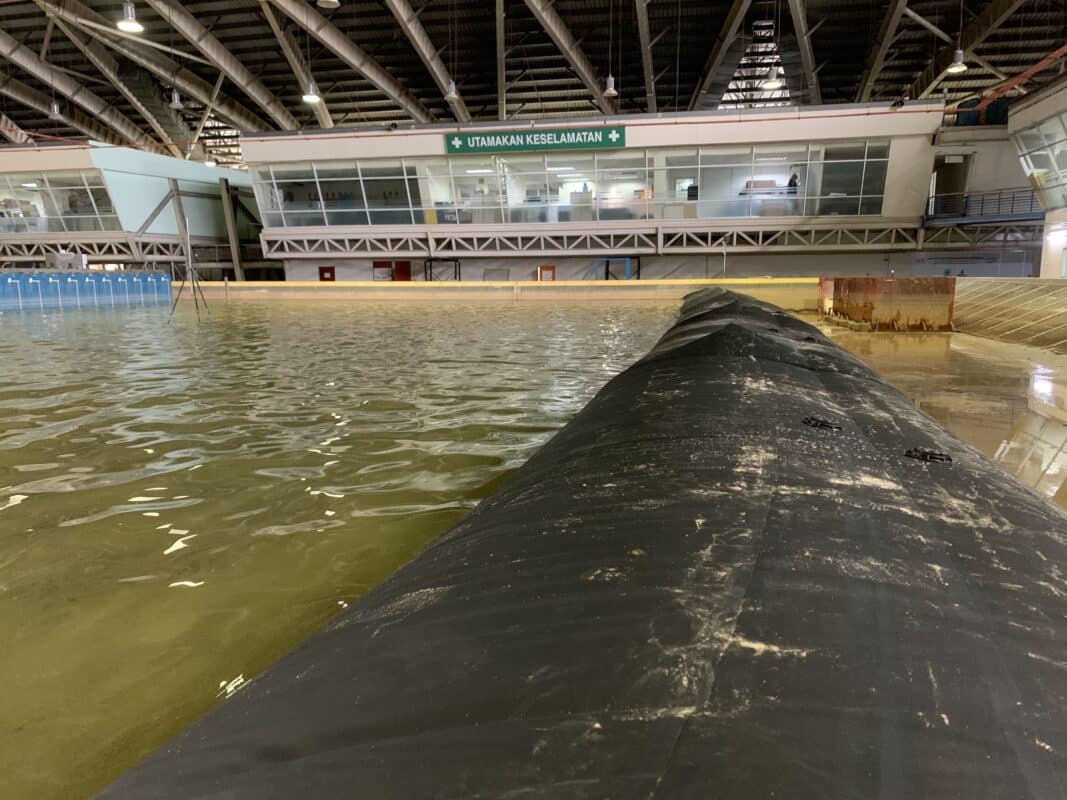
Large indoor pool with a raised barrier dividing the water, situated in a spacious facility with SLAMDAM Certified for Flood Protection signage on the walls and a high arched ceiling.

Certified by NAHRIM

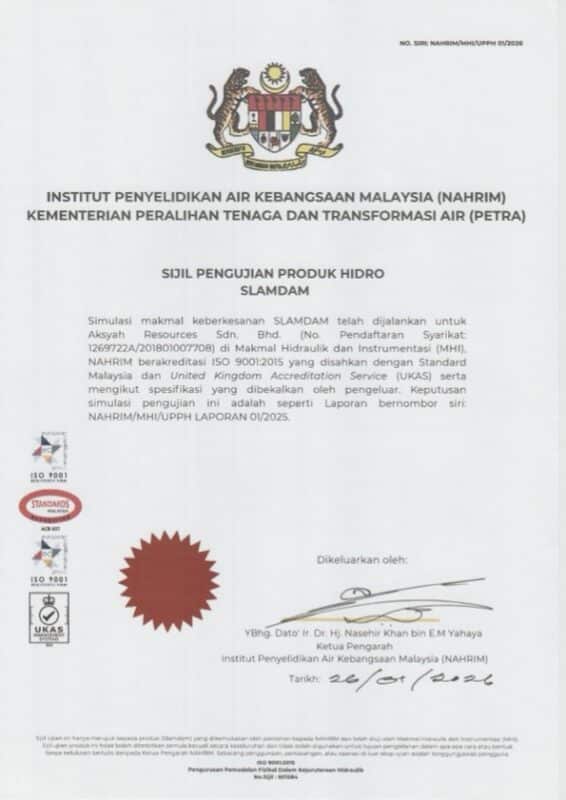
SLAMDAM has been tested and certified by NAHRIM, Malaysia’s national institute for hydraulic research. The certification confirms that laboratory simulations were conducted in an accredited hydraulic and instrumentation laboratory following recognised standards.

  • What this certification confirms
  • Performance under controlled flood conditions
  • Behaviour under hydrodynamic pressure
  • Suitability as a temporary and mobile flood barrier
A SLAMDAM Certified for Flood Protection certificate from Malaysia's NAHRIM for hydro product testing, featuring official logos, signatures, and a watermark, issued to Aisyah Resources Sdn. Bhd.

Controlled Testing Under Realistic Flood Conditions

Testing took place in a hydraulic basin designed to simulate flood conditions. The setup allowed engineers to observe how SLAMDAM performs when exposed to increasing water levels and dynamic pressure.

Six connected units formed a continuous barrier, enabling assessment of:

  • Stability across the full barrier length
  • Behaviour under simulated flood load
  • Performance under varying testing configurations


This controlled environment ensures reliable and repeatable results, which are critical for validating flood resilience solutions before field deployment.

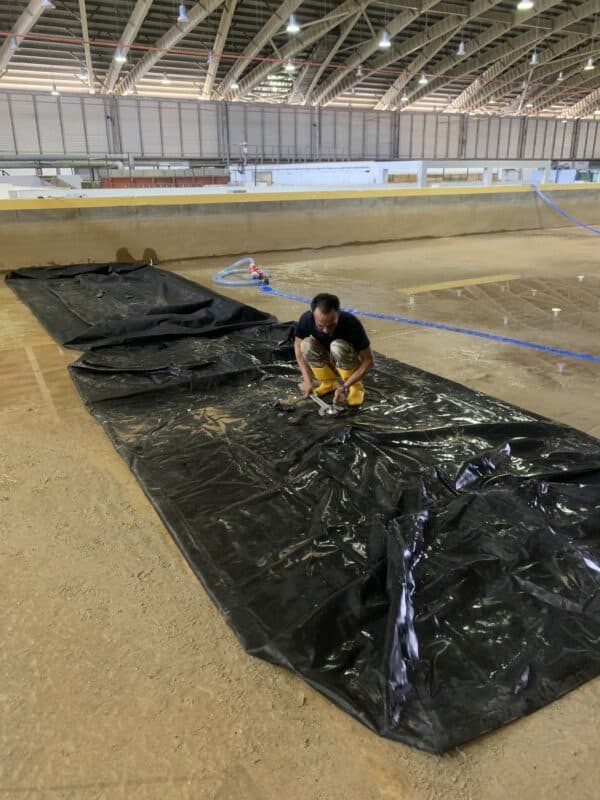
From Deployment to Full Barrier Activation

The testing process reflects real-world deployment:

  • Positioning the barrier on-site
  • Connecting water supply systems
  • Filling the structure with water
  • Activating the barrier as a continuous system


This demonstrates how SLAMDAM can be rapidly deployed in emergency situations where time, simplicity, and reliability are critical.

Hydrodynamic Validation of Flood Protection Performance

A key part of the NAHRIM testing focused on hydrodynamic conditions, which simulate real flood behaviour rather than static water levels.

The results confirm that:

  • The barrier maintains stability under water pressure
  • Water load is distributed effectively along the system
  • The barrier performs consistently across different setups


This type of validation is essential for engineers and decision-makers assessing flood protection systems for real-world applications.

Why Independent Certification Matters

For governments, infrastructure operators, and project developers, certification provides a critical layer of confidence.

It enables:

  • Evidence-based decision-making
  • Reduced risk in procurement processes
  • Greater trust in performance claims


For SLAMDAM, NAHRIM certification strengthens its role as a practical solution for:

  • Temporary flood protection
  • Emergency response
  • Water storage and controlled water management

Practical Value for Water Resilience Projects

Flood risks require solutions that are flexible, scalable, and easy to deploy. A mobile flood barrier such as SLAMDAM can be implemented where permanent infrastructure is not available or feasible.

This certification supports:

  • Faster adoption in flood-prone regions
  • Integration into disaster preparedness strategies
  • Use in both urban and rural environments

Quick answer

SLAMDAM has been certified for flood protection by NAHRIM Malaysia after controlled hydrodynamic testing. Six units were tested under different conditions in a hydraulic basin. The certification confirms its performance as a mobile flood barrier for real-world flood scenarios.

Interested in meeting us at the event?

WaveSave Wins Climate Resilience Award for Flood Protection Innovation

WaveSave has won a Climate Resilience Award for its work in flood protection. The award recognises the SLAMDAM mobile flood barrier as a practical solution for climate resilience.

WaveSave Wins Climate Resilience Award for Flood Protection Innovation

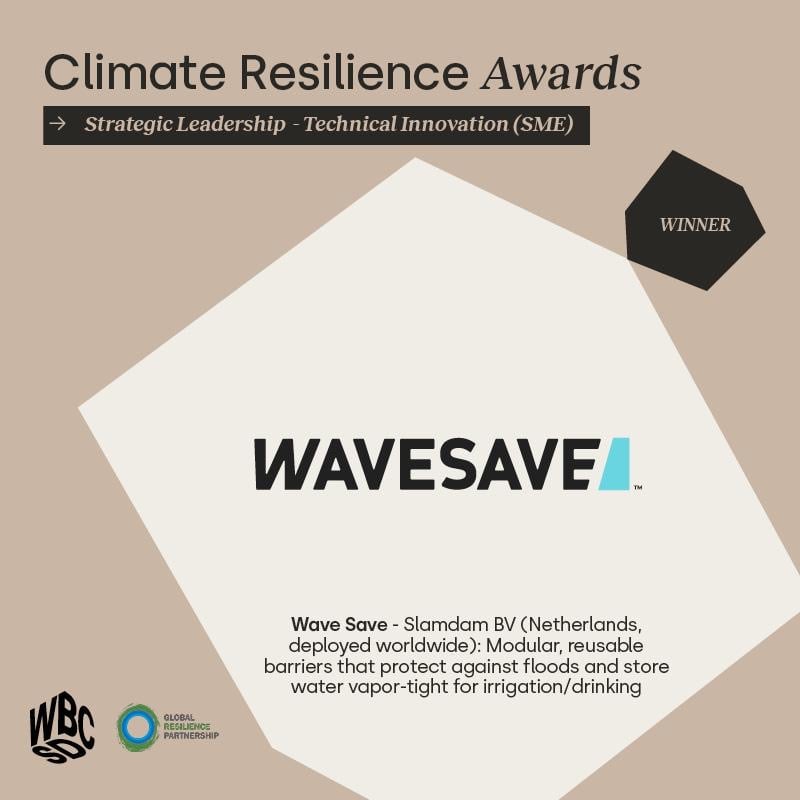
WaveSave has been recognised with a Climate Resilience Award for Business for its work in flood protection. The award highlights the role of SLAMDAM, a mobile flood barrier, in supporting practical and scalable climate resilience solutions.

The recognition was announced as part of an international initiative led by the Global Resilience Partnership (GRP) and the World Business Council for Sustainable Development (WBCSD), with the award presented during a COP30-related session focused on private sector action.

  • Award Winner
  • Omar Saleh
  • 12 November 2025
  • Reading time: 3 min
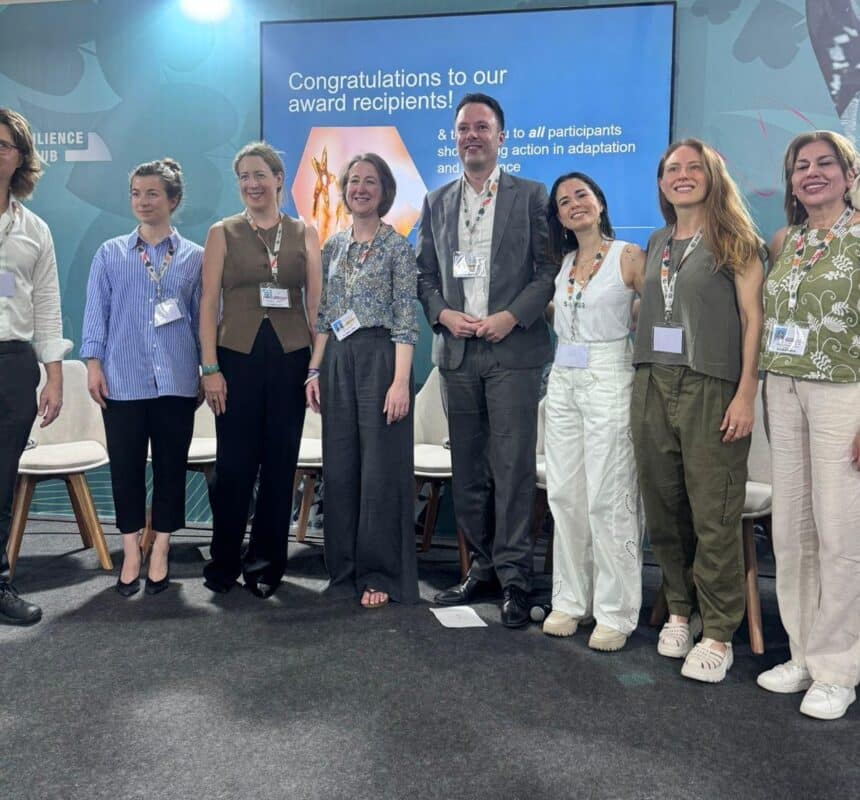
A group of seven people stands together indoors in front of a sign congratulating flood protection award 2025 recipients. They are smiling and wearing conference badges.

Recognition at COP30 and Global Resilience Platforms

The award forms part of the Climate Resilience Awards for Business, which recognise companies delivering real-world solutions for climate adaptation.

The announcement took place during the launch of the Mobilising Business for Resilience (MBR) platform, a global initiative aimed at accelerating private sector contributions to climate resilience.

This platform brings together companies, investors, and partners to support practical use of resilience solutions and to strengthen collaboration across sectors.

Why SLAMDAM Was Recognised

SLAMDAM is a mobile flood barrier designed for rapid deployment. It provides immediate flood protection without requiring permanent infrastructure. In addition, the system can store water, which supports both flood response and drought resilience.

This dual functionality is a key reason why the solution was recognised in the category Strategic Leadership – Technological Innovation (SME). As a result, SLAMDAM is positioned as a practical tool for climate adaptation.

Practical Flood Protection with Real-World Applications

Flood protection solutions must work in real conditions. SLAMDAM has been used in different environments to protect infrastructure and communities. In addition, the system supports temporary water storage and flexible water management. As a result, the system contributes to flood resilience and climate adaptation in both urban and rural settings.

Unlike traditional flood barriers, SLAMDAM is deployable and reusable. The flood barrier can be adapted to different locations and situations. This makes it suitable for both emergency response and long-term resilience planning.

Why This Award Matters

The Climate Resilience Awards recognise solutions that can be applied in practice and scaled across regions. In addition, they highlight the role of the private sector in addressing climate risks.

For WaveSave, this recognition confirms that practical flood protection solutions can support global climate resilience. This acknowledgement strengthens the company’s position as a provider of deployable water management systems.

Looking Ahead

Climate risks are increasing in many regions, which creates a growing need for flexible solutions. At WaveSave, we will continue to develop and use SLAMDAM in projects to help communities and institutions with water-related challenges.

We will furthermore develop innovative and complementary solutions that support resilience in both flood and drought conditions. For example, WaveSave has developed an AI-driven tool called WaveCore, which is a water governance and resilience operating system.

We will continue developing water control solutions ensuring these are innovative, effective and sustainable.

Quick answer

WaveSave won a Climate Resilience Award for its SLAMDAM mobile flood barrier. The award, presented through initiatives led by GRP and WBCSD at COP30, recognises innovative flood protection solutions. SLAMDAM allows rapid deployment and supports both flood protection and water storage.

Interested in meeting us at the event?

SLAMDAM Impresses Royals at Kenya State Climate Visit

The Dutch royal visit to Kenya highlighted innovative flood protection solutions, including SLAMDAM by WaveSave. In addition, the visit focused on climate resilience and practical approaches to managing flood risks. As a result, it demonstrated how deployable solutions can support real-world implementation.

Dutch royal visit highlights flood protection in Kenya:

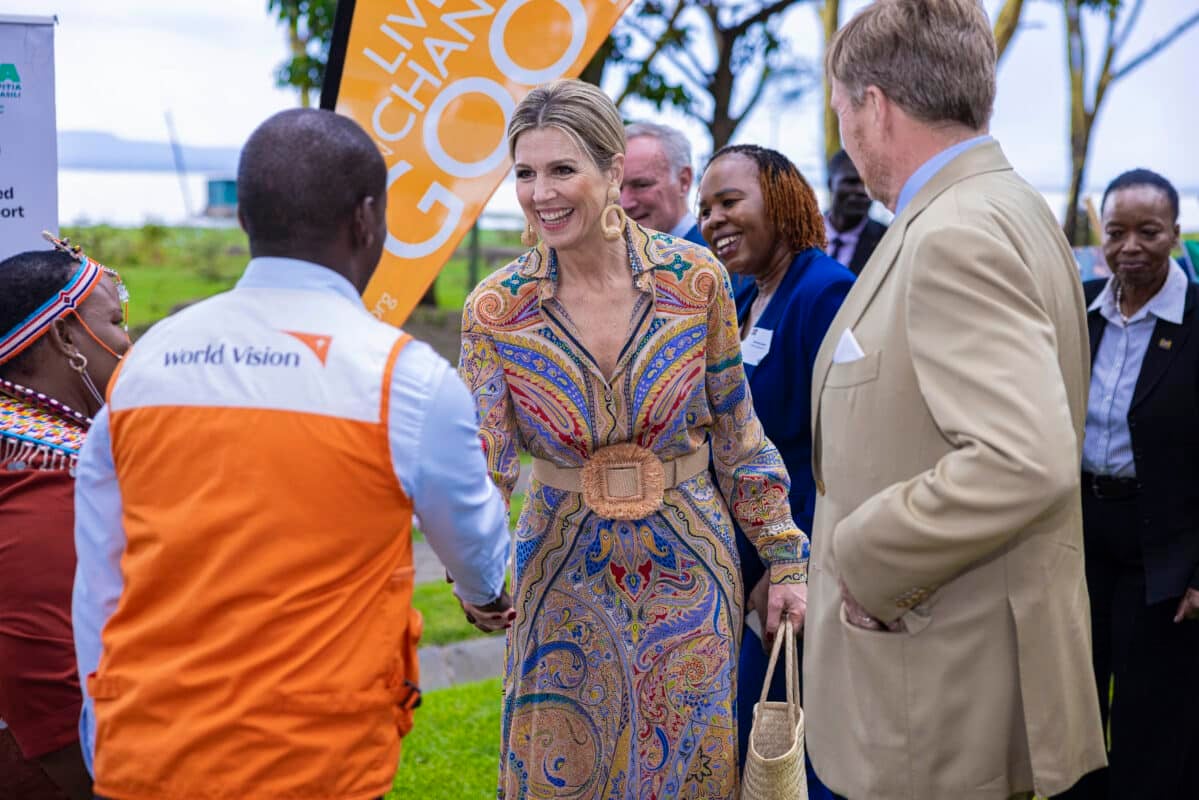
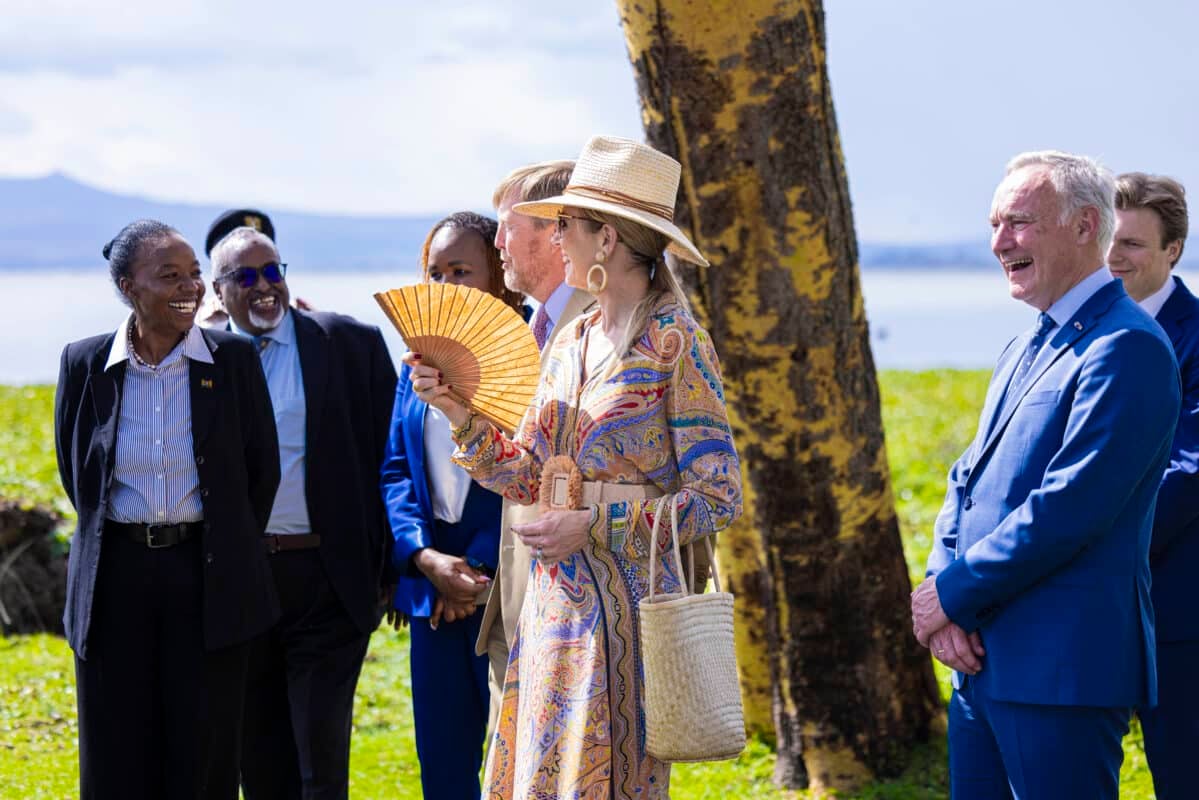
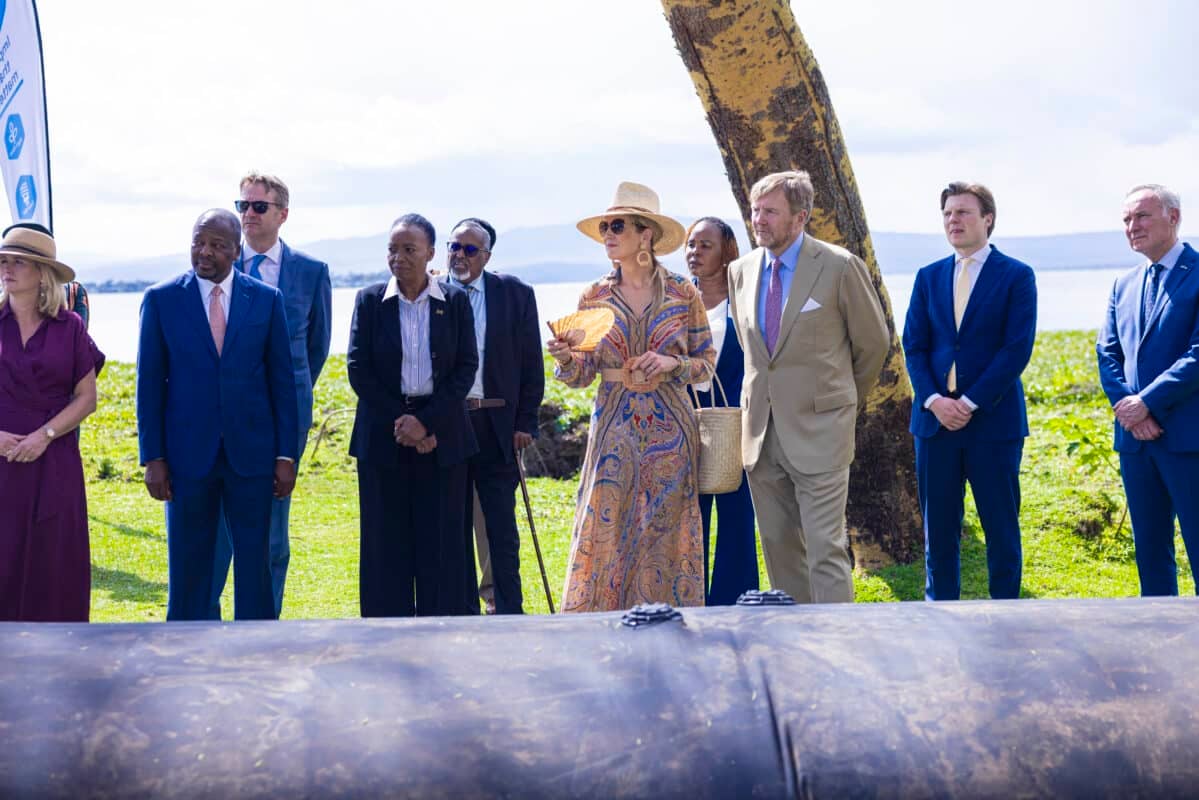
  • Royal Engagement: The King and Queen of the Netherlands dedicated an unprecedented 15 minutes to the SLAMDAM demonstration, the longest visit among all climate innovation exhibits
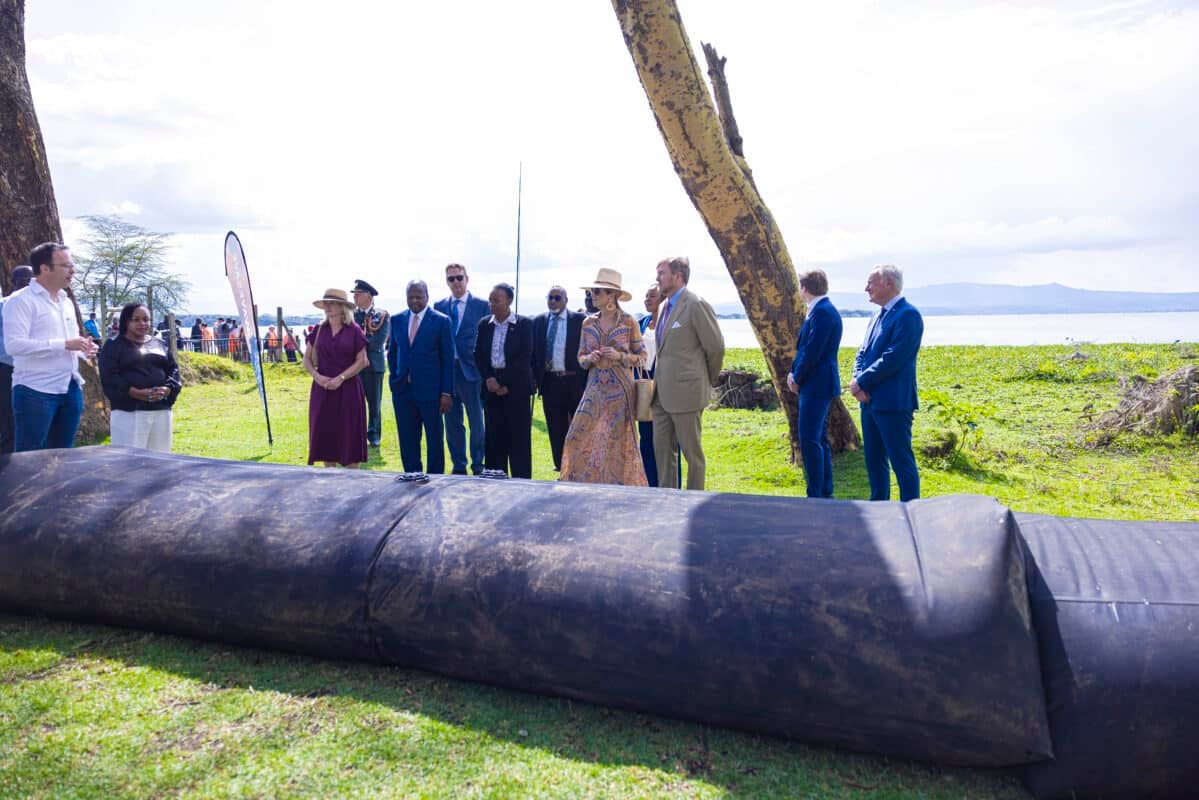
  • Impressive Assembly: Four SLAMDAM mobile flood barrier modules were deployed, connected, and water-filled, showcasing the system’s rapid deployment capabilities
  • High-Level Attendance: The demonstration attracted the Dutch Foreign Trade & Development Minister, the Dutch Defense Minister, the Ambassador, and numerous Kenyan officials
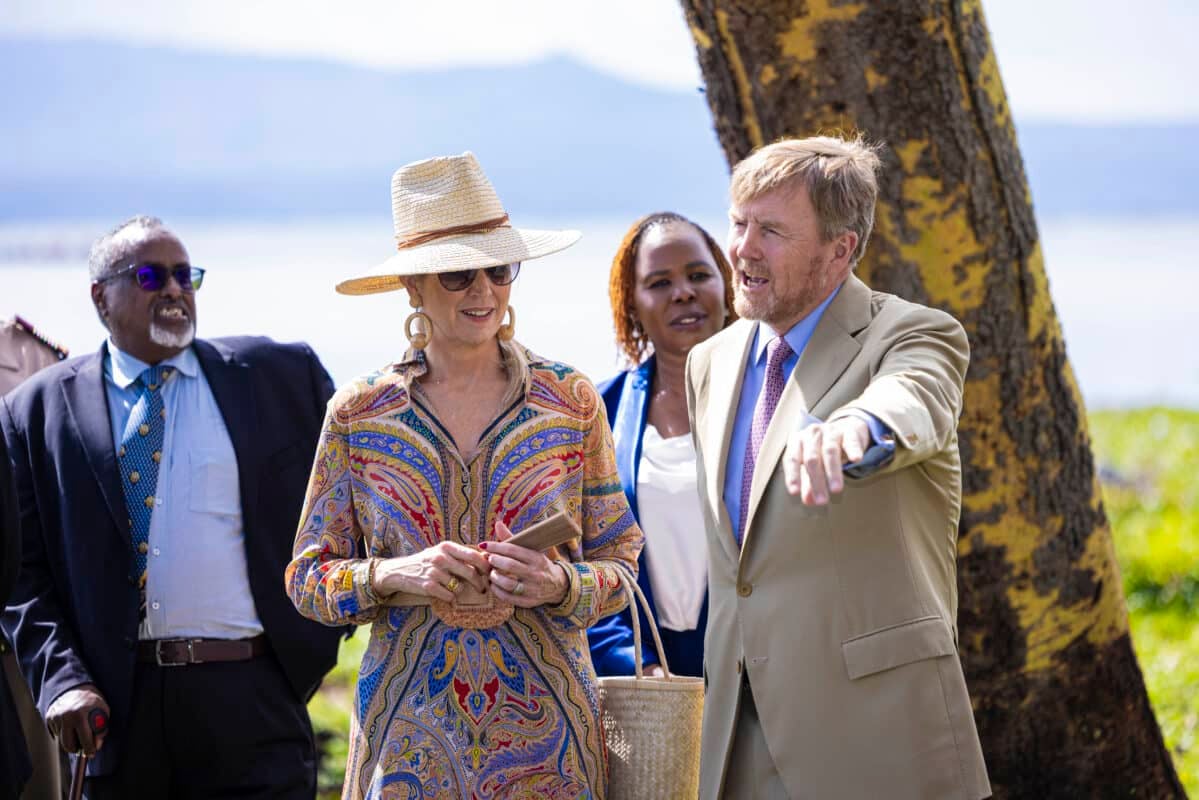
  • Expert Assessment: King Willem-Alexander, with his background in water management, as well as Queen Máxima asked detailed technical questions about the barrier’s specifications and functionality
  • Community Impact: Local water resource leaders shared real-world success stories of SLAMDAM’s dual role in flood protection and drought mitigation
  • Demonstration
  • Omar Saleh
  • 17 March 2025
  • Reading time: 4 min
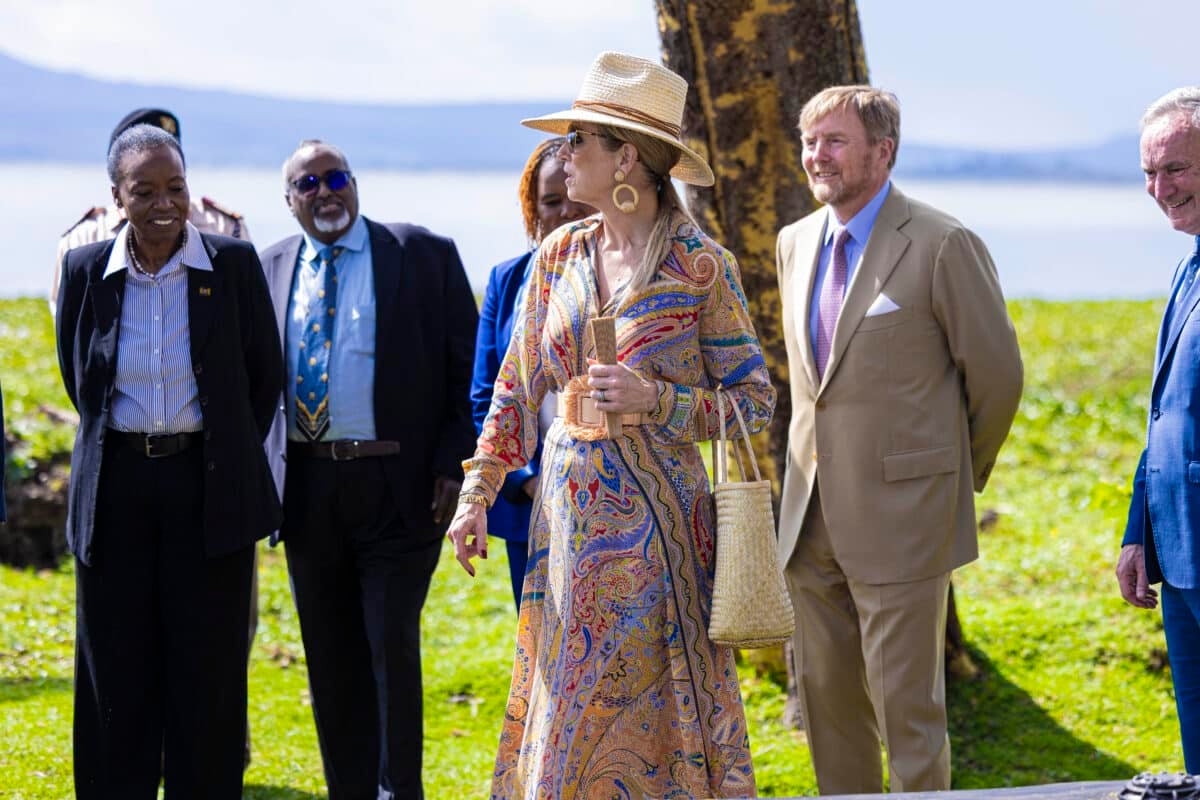
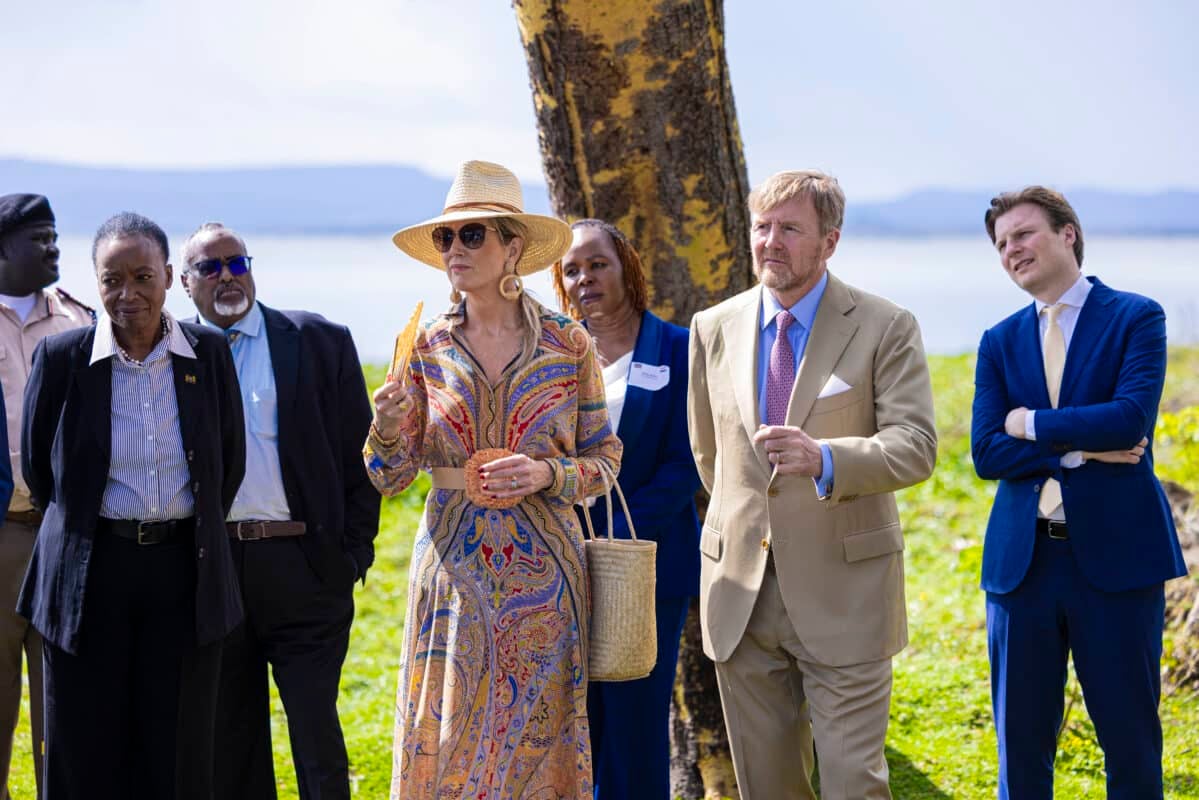
A group of men and women stand outdoors in formal attire, some wearing suits and hats, near a large black pipe during a SlamDam mobile flood barrier demonstration, with greenery and water in the background.

Introduction

In March 2025, Lake Naivasha became a focal point for Dutch-Kenyan cooperation on climate resilience. During the Netherlands royal state visit, WaveSave’s mobile flood barrier, SLAMDAM, took centre stage. At the same time, the Dutch-Kenyan Water, Peace & Climate-Security Conference brought together key stakeholders. They explored practical solutions for flooding, drought, and wider environmental challenges affecting Kenya’s agricultural regions.

Purpose of the Royal Visit

The royal delegation’s itinerary highlighted initiatives focused on climate action, water security, and peace. These themes align closely with WaveSave’s mission. During the Dutch royal visit to Kenya, SLAMDAM was presented as a practical flood protection solution. Moreover, it formed part of WaveSave’s broader portfolio of water control solutions used globally. WaveSave contributes to international water management by providing practical and deployable flood protection solutions.

During the demonstration, four standard SLAMDAM units were connected and filled with water to create a 20-metre flood protection barrier. The system uses patented EPDM technology. In addition, it can later be repurposed for water storage during dry seasons. This dual-purpose approach is especially valuable in regions that face both floods and drought. More broadly, the visit formed part of wider Dutch engagement in water and climate resilience initiatives.

Outcomes of the Demonstration

The Dutch royal visit SLAMDAM Kenya moment highlighted the importance of deployable solutions. As a result, the visit created several important opportunities for WaveSave in East Africa:

  • Government Collaboration: The Kenyan Minister of Agriculture expressed immediate interest in SLAMDAM, given Kenya’s ongoing water-related challenges.
  • Community Validation: Samuel Wanjohi, Chair of the Ngusishi Water Resource Users Association, explained how SLAMDAM has already helped protect vulnerable communities. In addition, he described how it supported water harvesting for tree planting during drought periods, directly contributing to sustainable development goals.
  • Media Recognition: The demonstration received extensive coverage across Kenyan and international media platforms, with particular attention from defense and regional development organizations highlighting SlamDam as an exemplary flood management solution.

Recognition for WaveSave and SLAMDAM

The royal visitors’ technical backgrounds increased their appreciation of SLAMDAM’s engineering design. King Willem-Alexander, drawing on his water management expertise, described the system as a “clever marriage of proven materials and scientific design.” In doing so, he recognised both the barrier technology and its potential for flood protection, water harvesting, and storage.

Queen Máxima also praised the solution’s accessibility and community-centred implementation model. This reflects WaveSave’s focus on flood protection systems that local teams can deploy during emergency response situations.

Following the visit, several news outlets identified SLAMDAM as the “stand-out innovation” of the state visit programme. As a result, the profile of this Dutch flood protection technology increased within East African climate adaptation discussions..

Why this visit matters for flood resilience

The Dutch royal visit underscores the growing importance of international collaboration in addressing climate-related challenges such as flooding. By showcasing practical solutions like SLAMDAM, the visit showed how innovation and partnership can support more resilient communities.

In addition, events like these help connect governments, organisations, and solution providers. As a result, they can speed up the adoption of effective flood protection strategies.

Quote from King and Queen of the Netherlands

“King Willem-Alexander, drawing on his water management expertise, described the system as a “clever marriage of proven materials and scientific design”—recognizing the physical barrier technology and its ability to enable flood protection as well as water harnessing and storage.”

His Majesty King Willem-Alexander of the Netherlands, King of the Netherlands, Prince of Orange-Nassau.

Bright Future for WaveSave and SLAMDAM

The royal visit has accelerated WaveSave’s expansion strategy in the region. The company is now scaling its flood management ecosystem. This combines mobile flood barriers with IoT monitoring systems, AI-powered flood prediction mapping, and user-friendly interfaces for decision-makers.

WaveSave also continues to innovate. For example, research is underway on specialised coastal flood defence variants and more sustainable materials for its flood protection products. As climate change intensifies both flood and drought risks, this integrated approach strengthens WaveSave’s position in climate adaptation.

For detailed technical specifications, case studies, and partnership opportunities, visit WaveSave.com. There, you can explore how these proven flood protection systems can help safeguard communities and organisations.

Interested in meeting us at the event?

Thai Delegation Explores Dutch Water Innovations at Aquatech Amsterdam 2025

Strengthening Thailand-Netherlands Collaboration in Water Management

Key Highlights:

  • Aquatech Amsterdam 2025: Thai delegation engaged with water technologies and global experts.
  • Technical Site Visits: Exploration of Molenvlietpark, Maeslantkering storm surge barrier, and pumping stations for flood and drought resilience.
  • Strengthening Bilateral Collaboration: Discussions between Thai officials and Dutch companies on future cooperation in water management.
  • Trade Mission
  • Omar Saleh
  • 17 March 2025
  • Reading time: 3 min
A Thai delegation visits as a group of people stands under large, intersecting metal structures outdoors. One person in an orange safety outfit kneels in front, possibly inspecting the area near a pumping station. The ground is wet with puddles.

Introduction

Amsterdam, Netherlands – March 12, 2025 – A high-level delegation from Thailand, led by senior officials and engineers from the Royal Irrigation Department, visited the Netherlands to participate in Aquatech Amsterdam and explore the country’s advanced flood and water management solutions. The visit was organized under the Partners for International Business (PIB) program, facilitating knowledge exchange and partnerships between Thai and Dutch water experts.

Thailand’s Water Management Challenges

Thailand faces increasing challenges in flood prevention, salinity intrusion, and sustainable irrigation. With rapid urbanization and climate change exacerbating these issues, the Royal Irrigation Department is seeking innovative, cost-effective, and sustainable solutions. The visit to the Netherlands provided an opportunity to learn from a country renowned for its centuries-old expertise in water management.

Engaging with Dutch Innovation: Technical Visits

During the visit, the delegation explored several state-of-the-art Dutch water infrastructure projects, showcasing flood resilience, real-time data analytics, and predictive modeling.

1. Molenvlietpark – The Hague

A multifunctional water storage facility, the park serves as a flood retention area while supporting urban biodiversity. The Thai delegation gained insights into how the Netherlands integrates green infrastructure with flood resilience.

2. J.J.J.M. Van der Burg Pumping Station – Monster

An advanced pumping station critical for managing water levels and preventing salinity intrusion, playing a key role in sustaining agriculture and urban water systems.

3. Maeslantkering – Hoek van Holland

A world-class storm surge barrier, part of the Delta Works, protecting millions of people from rising sea levels. The Thai engineers explored its automated flood defense system, which closes when water levels rise 5 meters above sea level.

4. Parksluizen Pumping Station – Rotterdam

A crucial site for urban flood protection, where Thai officials studied the use of concrete volute pumps for efficient water discharge.

Quotes from Delegation Leaders

“This visit provided us with invaluable insights into how the Netherlands manages water through smart, integrated solutions. We see great potential in adopting some of these innovations to improve flood resilience in Thailand.”
Mr. Wittaya Kaewmee, Deputy Director General for Engineering, Royal Irrigation Department

Looking Ahead

The Thailand-Netherlands water partnership continues to strengthen, with follow-up engagements planned to implement Dutch water technologies in Thailand’s urban and rural water management systems. The visit showcased how global expertise, technological innovation, and strong partnerships can drive sustainable water solutions worldwide.

Interested in meeting us at the event?