WaveSave wins Climate Innovation Challenge for SLAMDAM

WaveSave was selected as a Climate Innovation Challenge winner for its SLAMDAM solution, a rapidly deployable water-filled flood barrier designed to reduce flood risk in vulnerable locations. For brand consistency, this article uses the company’s current name, WaveSave, although the official programme materials listed the company under its former name, Zephyr Consulting Ltd., at the time of the award.

Why SLAMDAM was selected

The Climate Innovation Challenge, or CIC, formed part of the wider CARE for South Asia programme led by the Asian Disaster Preparedness Center (ADPC). ADPC explains that CARE for South Asia was supported by the World Bank, while the innovation stream was financed through the Program for Asia Resilience to Climate Change (PARCC), a World Bank-administered trust fund supported by the UK Foreign, Commonwealth and Development Office. The programme aimed to identify and pilot innovations that could reduce climate risk and strengthen resilience across South Asia.

WaveSave’s winning solution was SLAMDAM, a practical mobile flood barrier for areas exposed to flood water. ADPC’s innovation listing states that the project would pilot SLAMDAM in Pakistan as a low-cost hardware solution to enhance resilience against floods, describing it as a movable water-filled flood barrier for flood-prone areas.

The implementation plan gives more context. It describes the project as a demonstration of SLAMDAM as an effective climate adaptation solution in Gilgit-Baltistan, Pakistan, where communities face flooding linked to seasonal glacier melt. The same document says the project was designed to strengthen resilience, reduce vulnerabilities to flood damage, and show that the solution could be scaled more widely across Pakistan.

  • Award
  • Omar Saleh
  • 18 October 2022
  • Reading time: 3 min
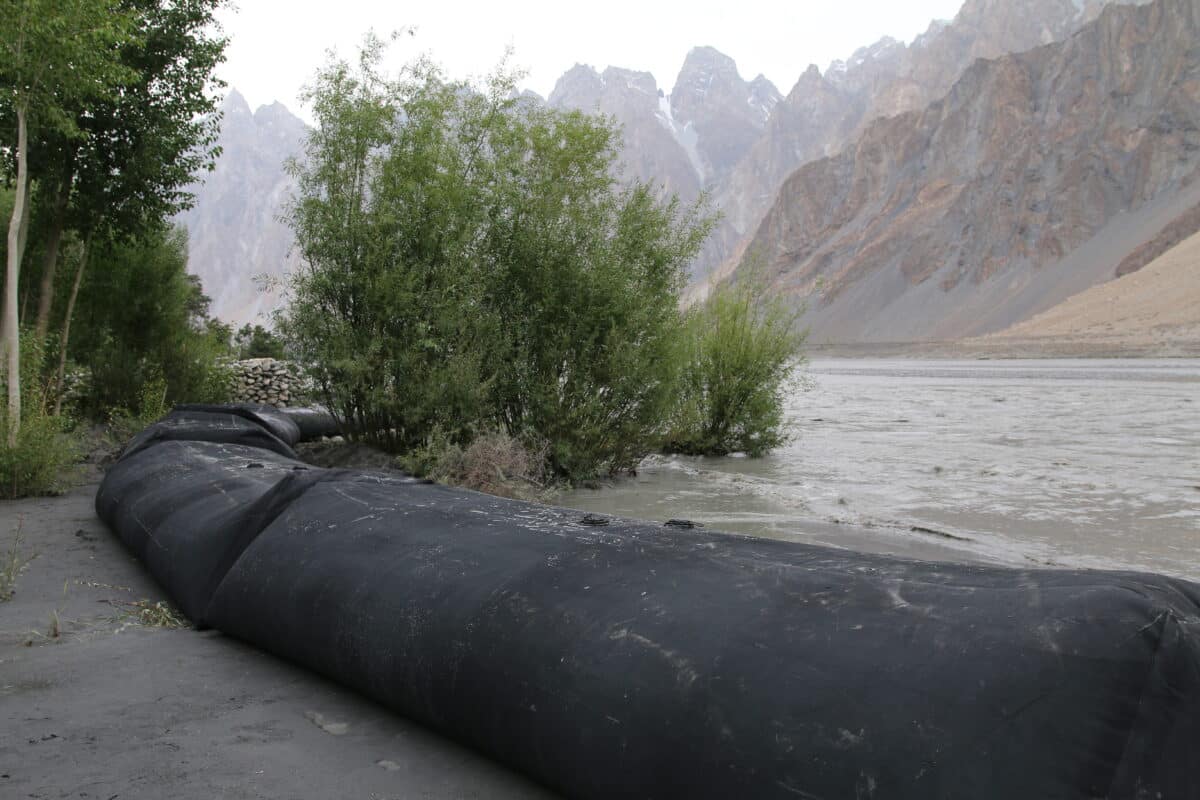
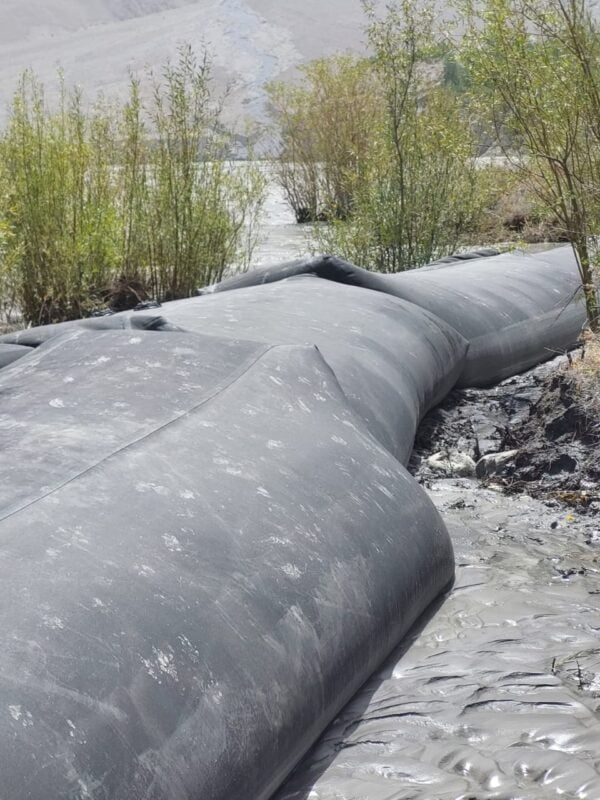
A large black water-filled flood barrier, a Climate Innovation Challenge winner, lies on muddy ground near a river, with trees and mountains in the background.

From recognition to pilot implementation in Pakistan

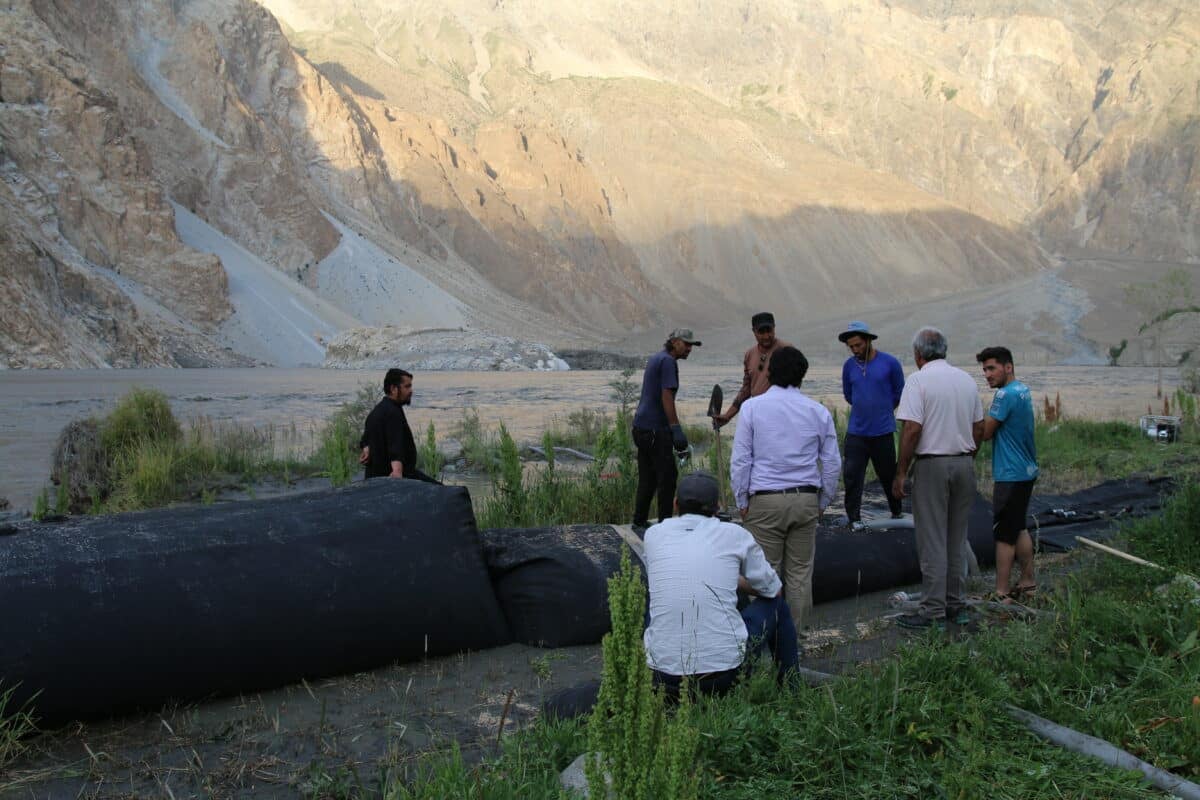
The significance of this milestone is that it moved beyond recognition into field implementation. According to the final report, the SLAMDAM pilot took place in Passu, Gilgit-Baltistan, along the Hanzu River, where seasonal glacier melt can contribute to river overflow and local flood risk. The report states that the pilot aimed to show whether SLAMDAM could serve as a scalable climate-adaptive solution in Pakistan and potentially in other South Asian contexts facing similar risks.

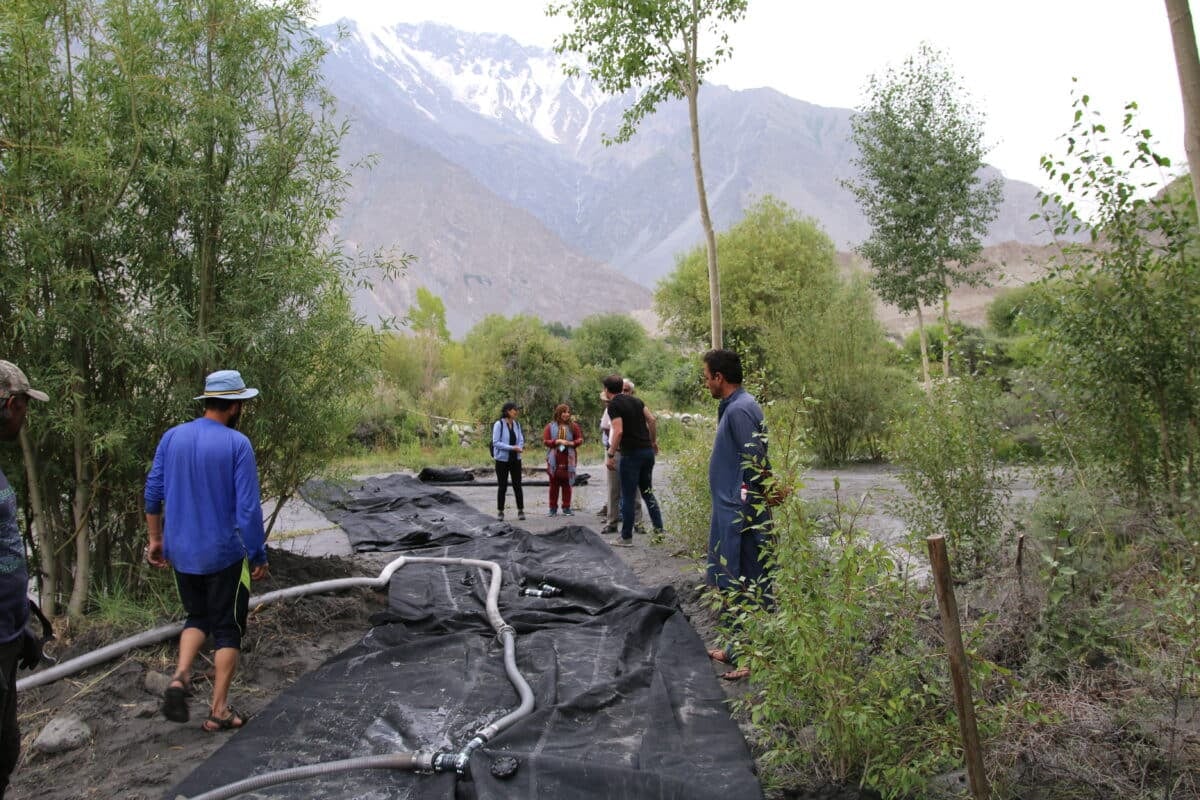
The same report explains that the project included manufacturing, transport, deployment, and local training. It also notes that the local flood response team deployed the barrier to demonstrate how it worked and help prevent flood damage caused by river overflow. That matters because it shows a clear path from award selection to practical use on the ground.


Building local capability, not only installing hardware

A strong part of the CIC project was its focus on preparedness and local capability. The implementation plan set out work on flood-risk assessment, training, a dry-run demonstration, a real-life demonstration, monitoring and evaluation, and a roadmap for scale-up. In other words, the project was not only about placing a barrier at one site. It was also about helping communities and institutions understand when, where, and how to use the technology effectively.

That broader resilience approach also appears in the official project materials. ADPC’s poster describes SLAMDAM not only as a flood protection tool, but as part of a larger system that can include flood-risk analysis, support to flood early warning, deployment planning, and efforts to strengthen local institutions and community self-reliance. The same material also notes that the barrier can be used for water storage, which adds practical value beyond emergency protection alone.

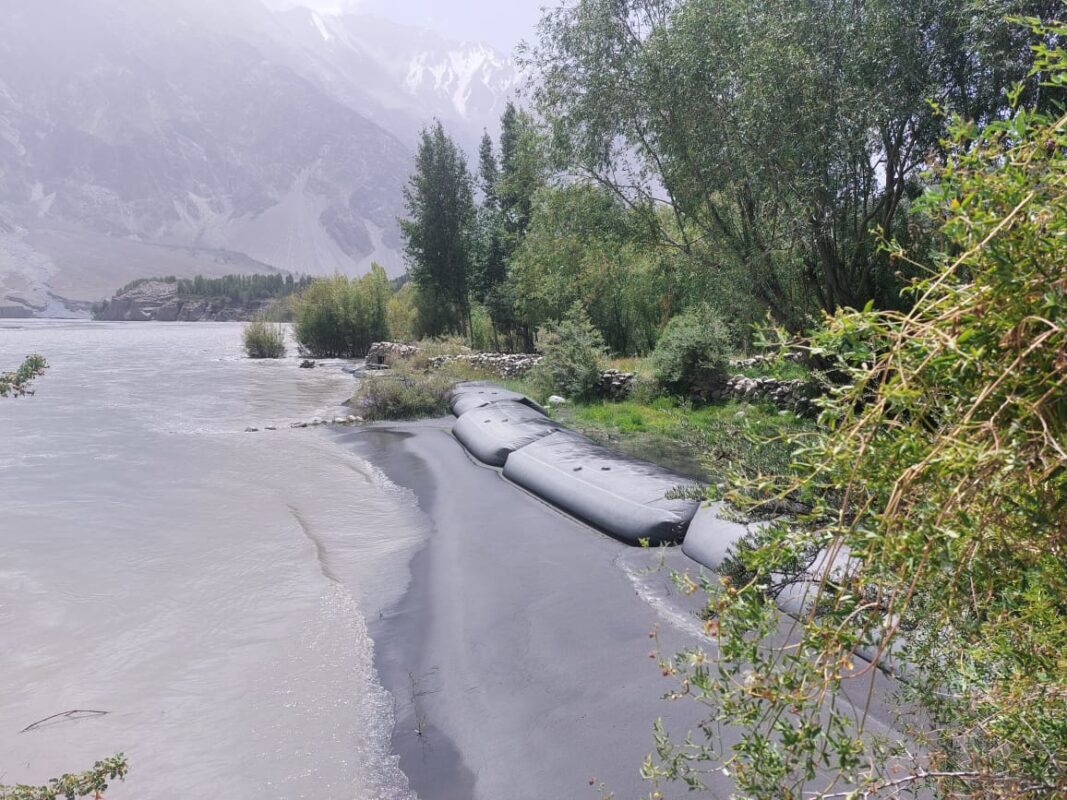
A large black geotextile tube, a Climate Innovation Challenge winner, lies on muddy ground near water and green shrubs, with mountains visible in the background.

Why this matters for WaveSave today

This recognition still matters because it shows that WaveSave’s solution was not treated as a concept only. It was selected through a competitive climate innovation programme, supported through implementation planning, and documented through a final technical report. For governments, donors, and infrastructure partners, that creates a stronger basis for trust than a product description alone.

It also strengthens WaveSave’s position in flood resilience. ADPC’s materials continue to describe SLAMDAM as one of the supported innovations under the broader iCARE / CARE for South Asia innovation portfolio, reinforcing its relevance within a recognised regional climate resilience initiative.

Looking ahead

For WaveSave, this milestone is more than an award story. It shows how practical climate adaptation can move from recognition to pilot implementation when the solution is paired with local training, deployment planning, and a route to scale-up. In a sector where many solutions remain conceptual, that combination of innovation and field application is what makes the story relevant today.

Quick answer

WaveSave was selected as a Climate Innovation Challenge winner for SLAMDAM, a water-filled mobile flood barrier. The project was part of ADPC’s wider CARE for South Asia programme and moved into pilot implementation in Passu, Gilgit-Baltistan, Pakistan. The work combined barrier deployment with training, flood-risk assessment, demonstration, and planning for future scale-up. Official programme documents listed the company under its former name, Zephyr Consulting Ltd., at the time.

Interested in meeting us at the event?