Comprehensive ESIA for Flood and Drought Resilience
In this project, WaveSave supports the development of ESIA frameworks to enable responsible implementation and long-term impact.



Environmental Social Impact Assessment Burundi
In this project, WaveSave supports the development of ESIA frameworks to enable responsible implementation and long-term impact.
Environmental social impact assessment in Burundi is essential to ensure that climate resilience and water management projects are sustainable, compliant, and socially responsible.
Burundi faces escalating climate risks with severe floods and prolonged droughts threatening agricultural productivity, water security, and community livelihoods. Frequent extreme rainfall events coupled with widespread deforestation and wetland degradation have increased flood vulnerability, while extended dry periods compromise water availability. Decision-makers lacked environmental and social impact data needed to implement effective, sustainable climate adaptation solutions.
The goal was to conduct a thorough Environmental and Social Impact Assessment (ESIA) to evaluate SLAMDAM mobile flood barriers as part of an integrated climate resilience strategy, while developing data-driven recommendations for sustainable flood and drought management across Burundi’s most vulnerable regions.
This environmental social impact assessment Burundi project supports responsible infrastructure development. WaveSave delivered a targeted Environmental and Social Impact Assessment through five key service components:
Unlike standalone ESIA studies, WaveSave integrates environmental and social assessment into broader climate resilience solutions, ensuring that compliance, implementation, and impact are aligned from the start.
Primary client is Ministry of Agriculture and Environment, Burundi, with financial support by Climate Action Africa from Canada.
Location: Imbo Basin, Burundi
Timeline: 2024
Conducting environmental social impact assessments in Burundi enables responsible, compliant, and sustainable project development.
The ESIA approach aligns with international safeguard standards such as the World Bank Environmental and Social Framework and IFC Performance Standards.

Environmental and social impact assessments are essential for ensuring that climate resilience projects deliver long-term, sustainable benefits. Without proper assessment, projects risk unintended environmental damage, social disruption, or non-compliance with international standards.
ESIA processes help identify risks, engage stakeholders, and design mitigation measures that improve both environmental outcomes and social acceptance. This ensures that projects are not only effective, but also responsible and aligned with international safeguards.
For governments and funding institutions, a robust ESIA is a key requirement for project approval, financing, and long-term success.


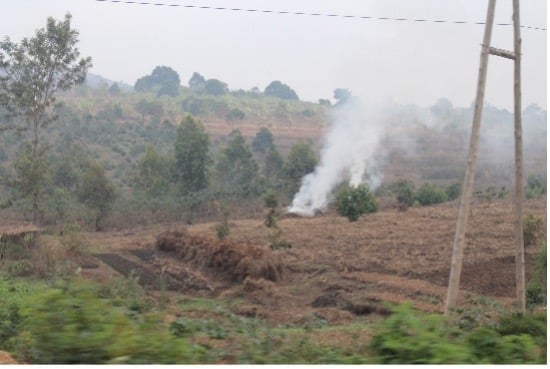


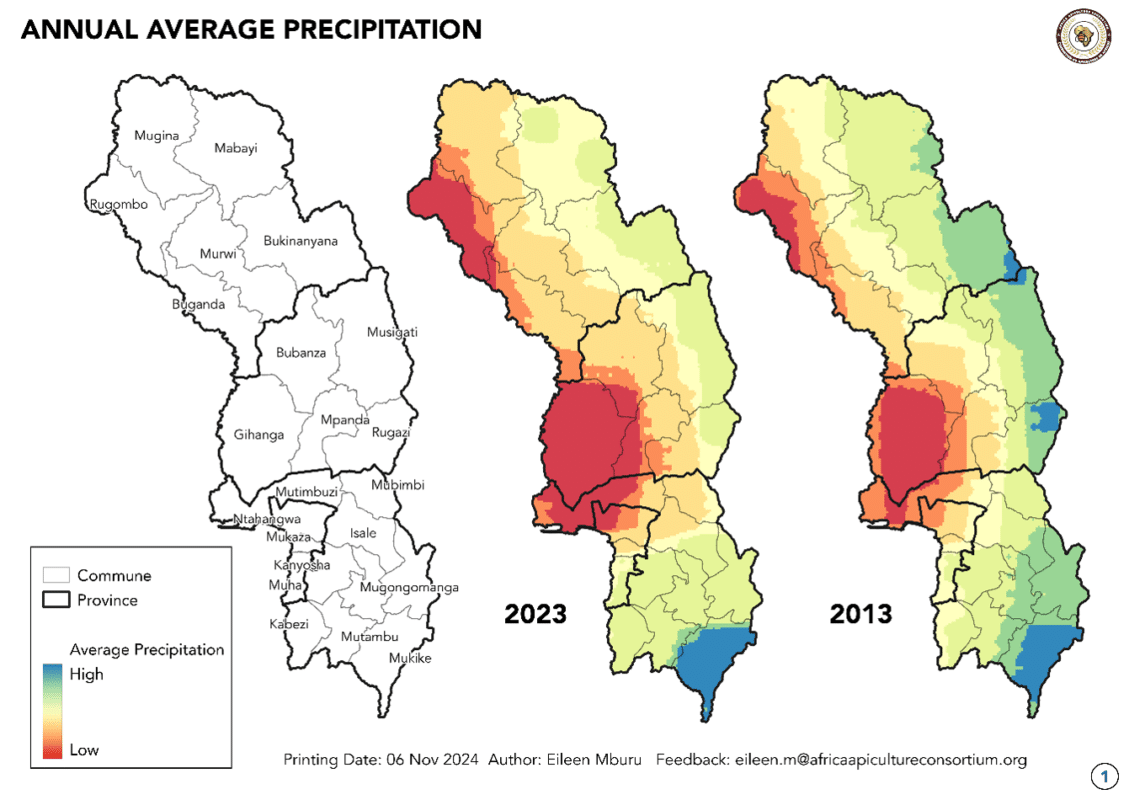


In the Imbo Basin, WaveSave assessed the environmental and social impact of SLAMDAM mobile flood barriers as part of a climate resilience strategy.

Completed an Environmental and Social Impact Assessment report.

Strengthened decision-making. The ESIA included a hydrological assessment and a SLAMDAM suitability analysis.

Enhanced local capacity. The ESIA included capacity building for sustainable implementation.