Intelligent Flood Resilient Barriers (IFRB)
In this project, WaveSave used 3Di modelling to determine optimal locations for deploying mobile flood barriers and improve flood risk management strategies.



Development Intelligent Flood Resilient Barriers (IFRB)
In this project, WaveSave used 3Di modelling to determine optimal locations for deploying mobile flood barriers and improve flood risk management strategies.
3Di flood modelling mobile flood barrier solutions enable more precise and effective flood response planning.
The Netherlands faces increasing flood risks due to climate change, with rising sea levels and more extreme rainfall events posing significant threats to urban and rural areas. Traditional flood protection methods such as sandbags are labor-intensive, time-consuming, and often ineffective during severe flooding events, as demonstrated during the devastating floods of July 2021. There was a clear need for more innovative, efficient, and data-driven solutions to enhance flood resilience across the region.
The goal was to develop an integrated flood resilience system combining advanced AI-driven software with enhanced mobile flood barriers, providing a comprehensive solution for flood prediction, prevention, and management in the Netherlands and beyond.
WaveSave delivered a holistic flood management system consisting of two complementary components: enhanced SLAMDAM mobile barriers and 3Di-based modelling for optimal deployment planning. Unlike traditional modelling studies, WaveSave combines data insights with deployable solutions such as SLAMDAM, ensuring that modelling results translate directly into real-world flood protection.
Primary client are the Water Authorities in the Netherlands with financial support by Province of Utrecht
.
Location: Utrecht Region, the Netherlands
Timeline: 2022 – 2023
By combining 3Di flood modelling with mobile flood barriers, WaveSave improves barrier placement, shortens deployment time, and supports more data-driven flood risk management. This leads to stronger protection, better investment decisions, and more scalable resilience planning.
The modelling approach aligns with international best practices in flood risk management, as promoted by organizations such as the World Bank and Deltares.

Hydrodynamic modelling plays a critical role in the effective deployment of mobile flood barriers. Without accurate insight into how flood water behaves, it is difficult to determine where barriers should be placed to achieve the greatest impact.
Tools such as 3Di enable detailed simulation of flood scenarios, helping identify optimal barrier locations, predict flow patterns, and assess potential impacts. This allows decision-makers to move from reactive deployment to proactive planning.
By combining modelling with practical solutions such as mobile flood barriers, flood risk management becomes more precise, efficient, and effective in real-world conditions.


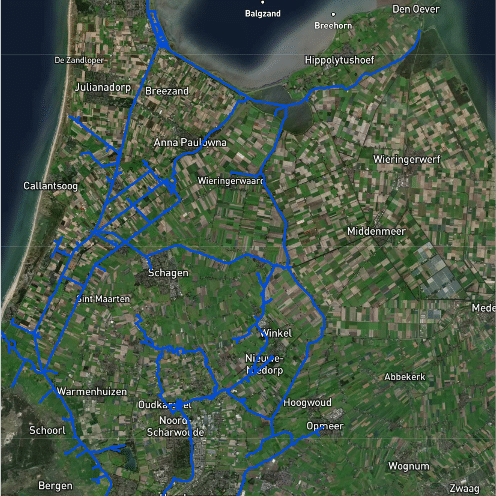

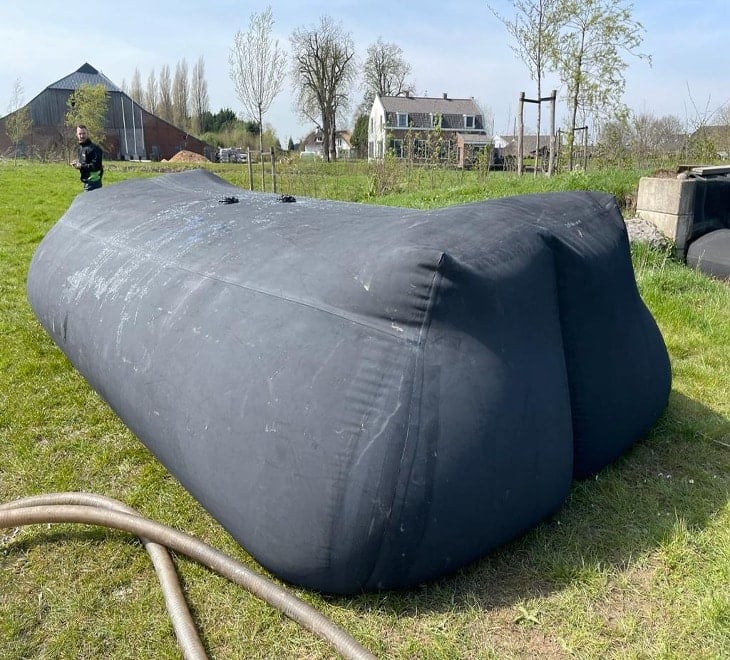

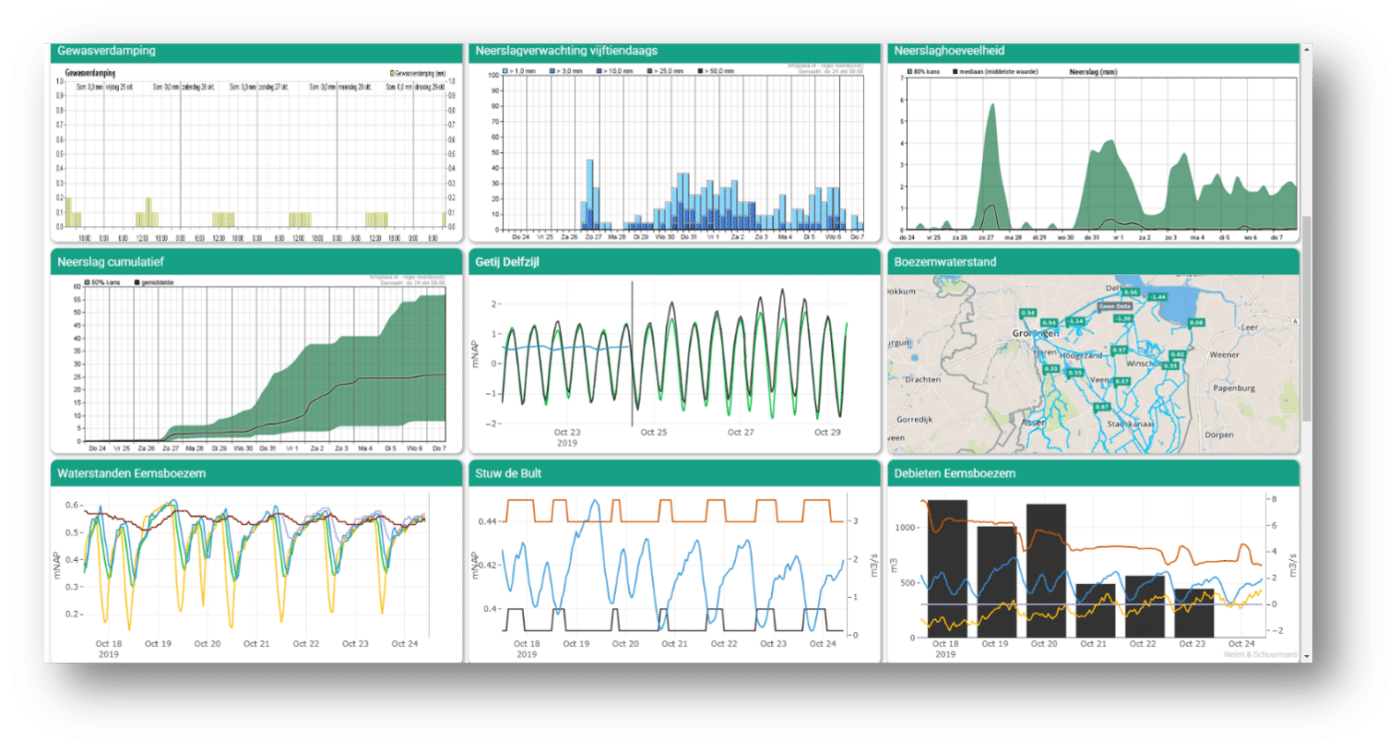

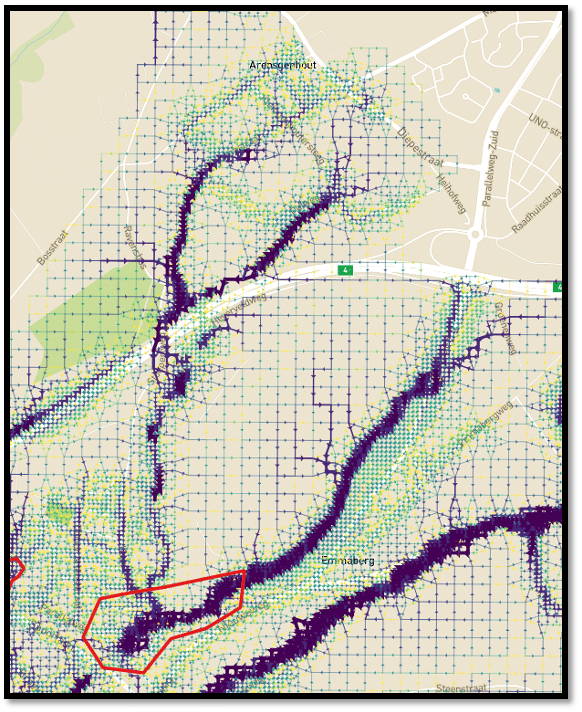
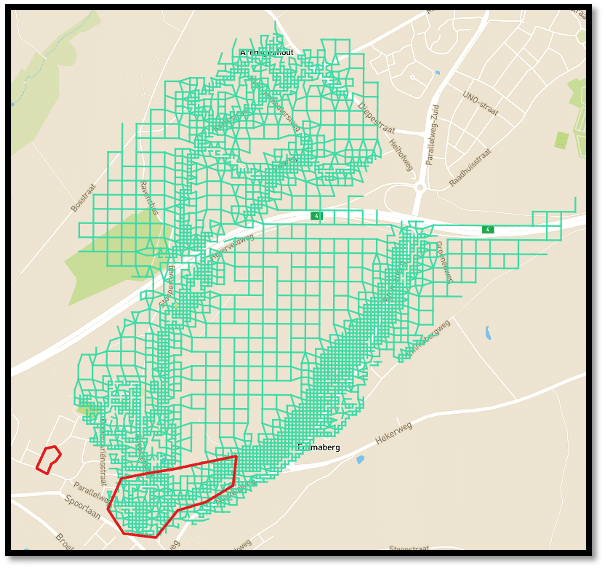


In the Utrecht Region, WaveSave combined enhanced SLAMDAM mobile barriers with 3Di modelling to plan where barriers protect best.

50-60% more effective flood protection. 3Di modelling improves barrier placement.

Reduced deployment time by 85%.

Increased SLAMDAM height capacity to 120 cm.